
These are the oldest documents in the archive. Every one is here complete — title page to last page, plates and folding diagrams included — in a page-turning reader you can search, zoom and download. The newest of them is more than a century old; the oldest was printed in London when the U.S. Navy was still sailing frigates.
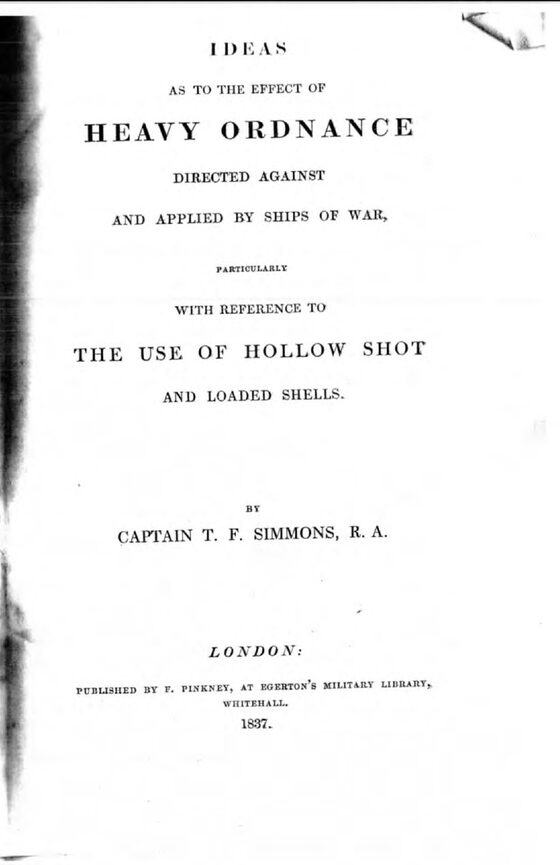
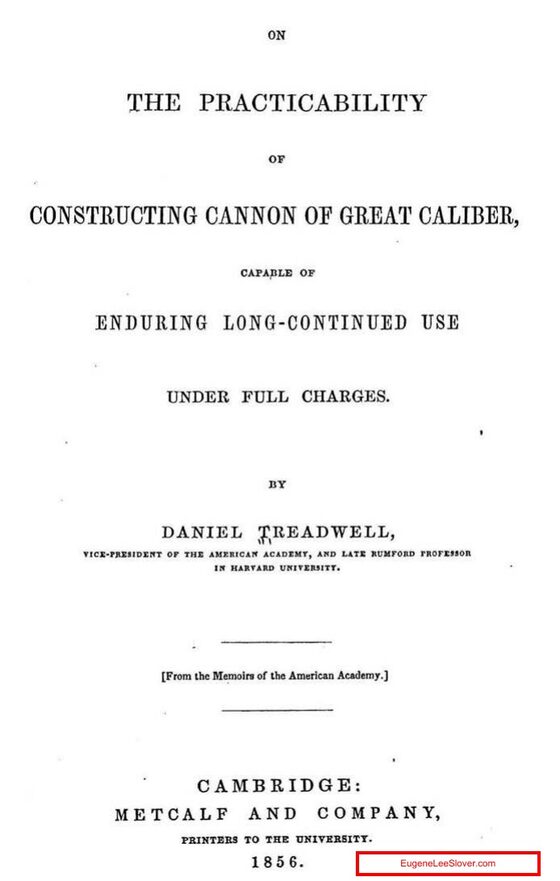
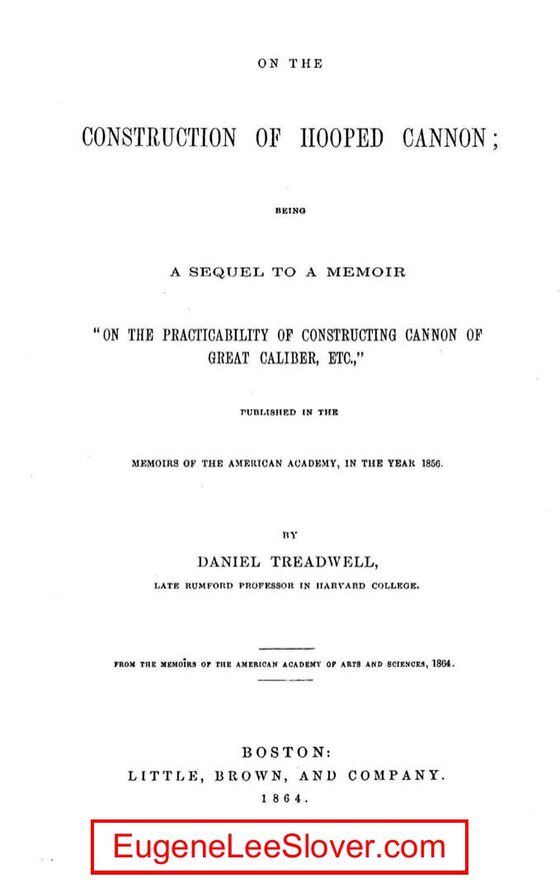
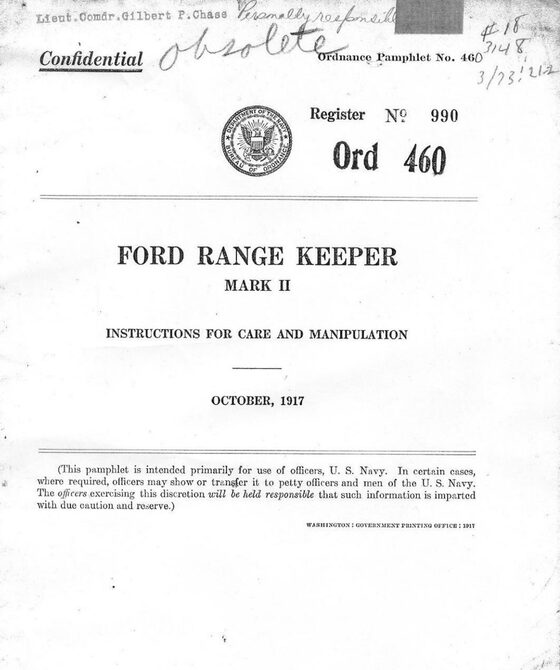
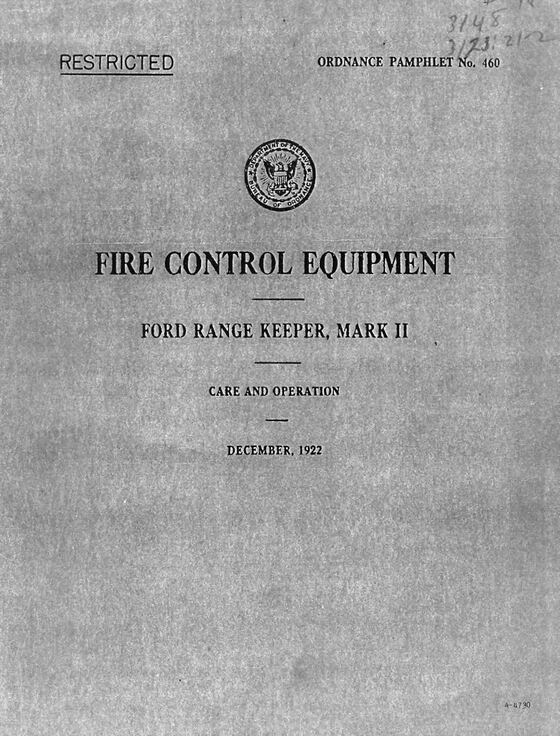
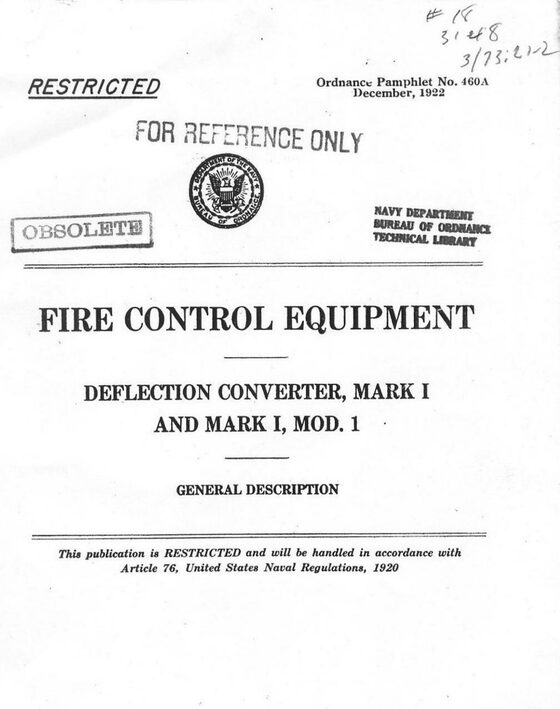
Read in order they tell a connected story. In 1837 a British artillery captain worked out what a hollow shot filled with powder would do to a wooden ship, and the answer helped end the age of sail. In 1856 a Harvard professor named Daniel Treadwell argued that great guns burst not from bad iron but from bad geometry — in a thick cylinder under internal pressure the outer metal carries almost none of the load — and proposed building the gun up instead, from a thin body squeezed by hoops shrunk over it. By 1915 Treadwell’s idea had become the basic principle of gun construction, taught at West Point and Annapolis and applied to every built-up naval and seacoast rifle in service. The last documents here are working Navy pamphlets from the 1920s — the Ford Range Keeper, the first mechanical fire-control computer to go to sea, whose descendants run through most of this site.
The Founding Arguments — 1837 to 1887
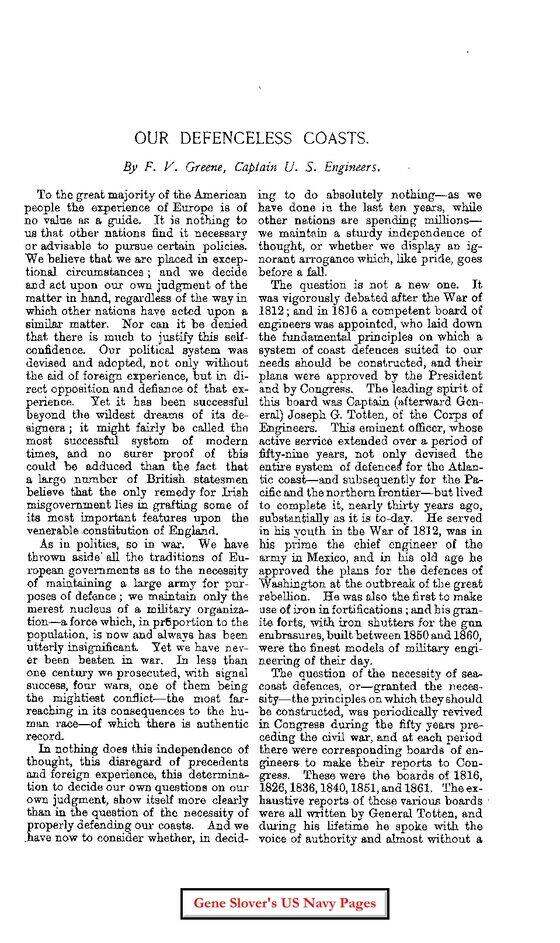
Four works, none of them by a serving ordnance officer, that changed how guns and coasts were built.
The Textbooks — 1903 to 1916
What the Naval Academy and West Point actually taught, in the years the modern built-up gun came of age.
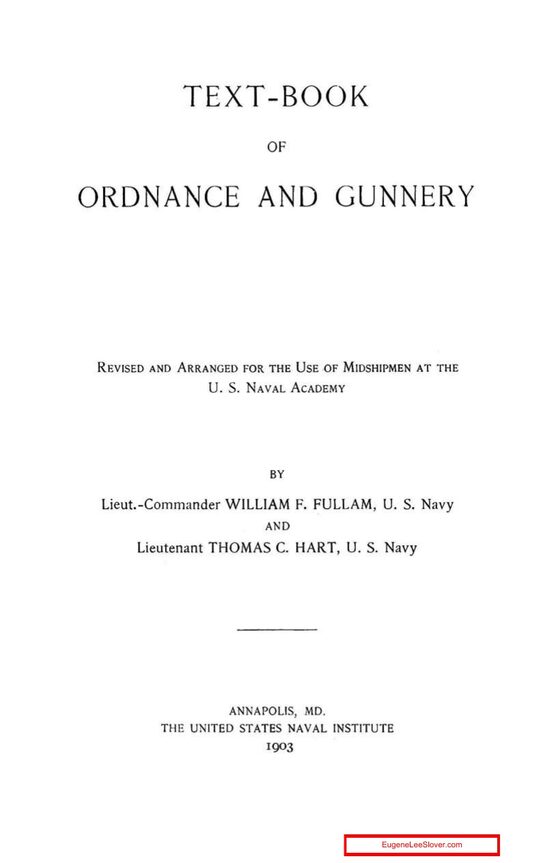
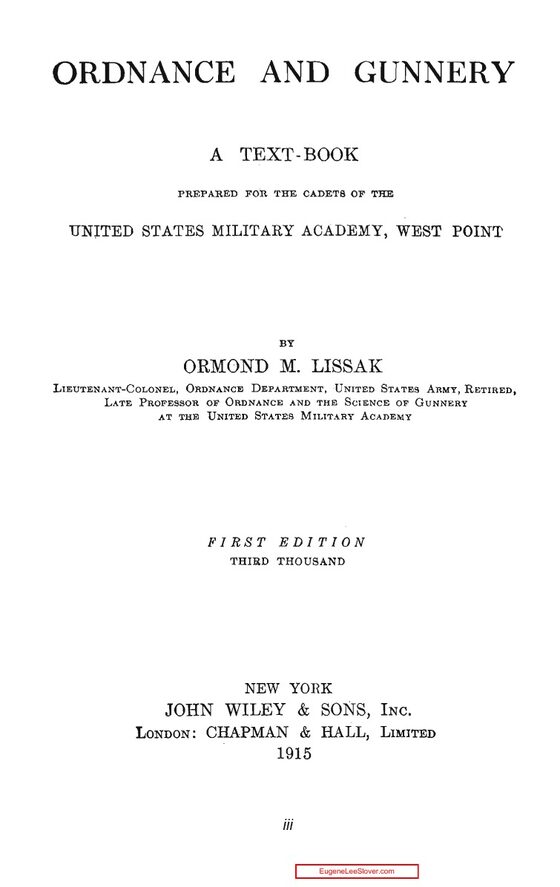
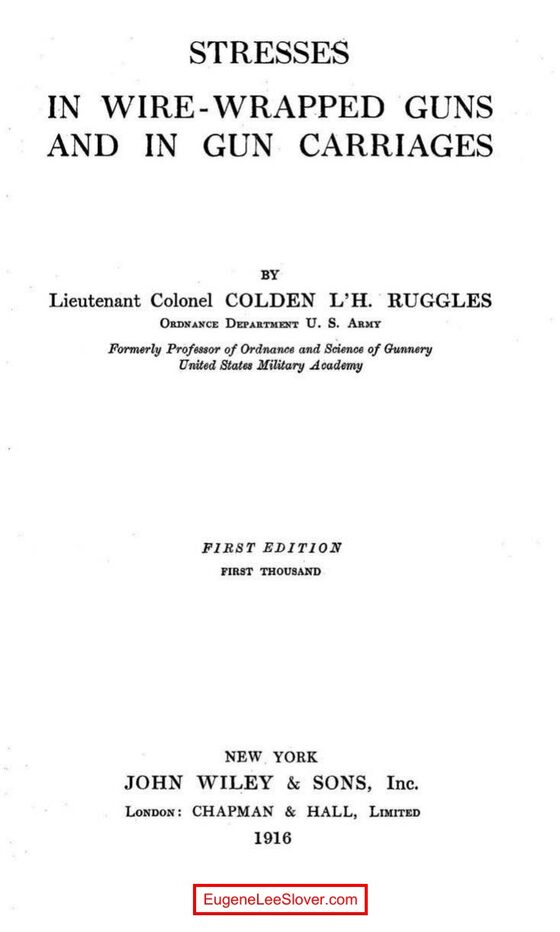
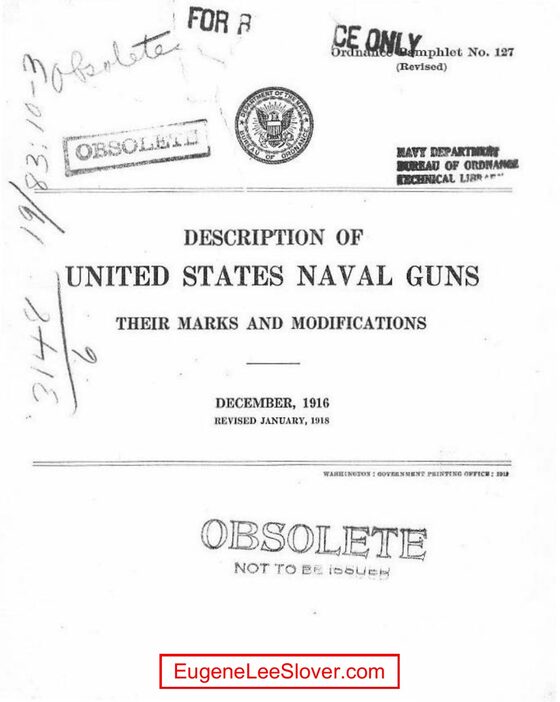
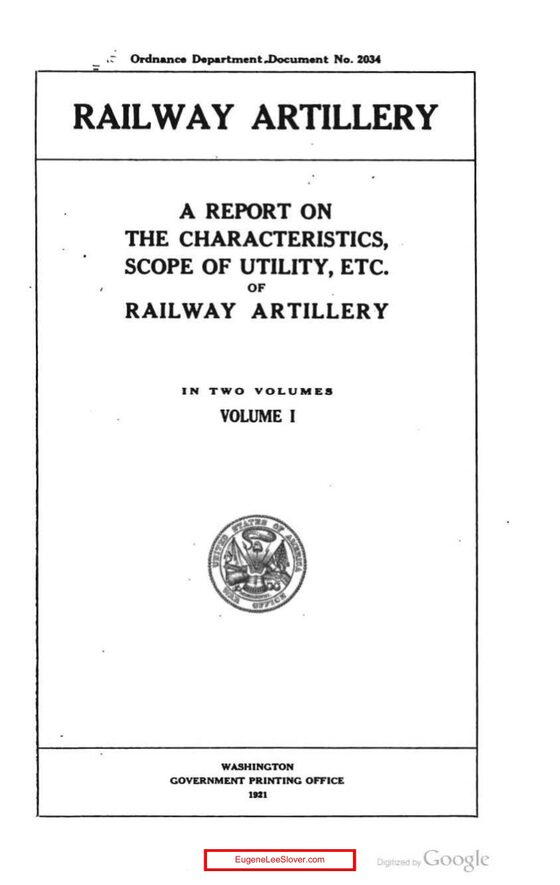
Working Navy Documents — 1917 to 1922
Not textbooks. Pamphlets and reports issued to the fleet, most of them stamped Confidential or Restricted when they were new.
A Note on These Scans
All thirteen are presented whole. Nothing has been abridged, and the plates that fold out of the bound volumes are in place where they belong. The longer books — Lissak, Ruggles, Fullam and Hart, OP 127 and Railway Artillery — carry a full table of contents in the reader that jumps to any chapter by its printed page number. The two Treadwell memoirs run continuously with no chapter divisions, so each has a page-by-page index of landmarks in the text instead.
Every document can also be downloaded in full from its own page. All of them are long out of copyright.