Thanks to our friend, Senior Chief Petty Officer (Ret.) Sid Busch, who not only did his active duty on the USS Clamagore as a sonar technician, he served as a volunteer tour guide aboard his old sub, until she was removed from Patriots Point Naval and Maritime in Charleston, SC. He brought this information to our attention and has provided additional insight. Sid (Marathon Man) has numerous pages on this site.
K-141 Kursk was a Russian nuclear cruise missile submarine which was lost with all hands when it sank in the Barents Sea on 12 August 2000. It was named after the Russian city Kursk, around which the largest tank battle in military history, the Battle of Kursk, took place in 1943. One of the first vessels built after the fall of the Soviet Union, it was commissioned into the Russian Navy’s Northern Fleet.
Background
Construction of Kursk began in Severodvinsk, near Arkhangelsk, in 1992. She was launched in 1994 and formally commissioned in December of that year. The ship was “baptized” by an Orthodox priest in 1995. Kursk was the last of the large Oscar-II class submarines to be designed and approved in the Soviet era. At 155 metres in length, and four stories high, it was the largest attack submarine ever built. The outer hull, made of high-nickel high-chrome content steel just 8.5 mm thick, had exceptionally good resistance to corrosion and a weak magnetic signature which helped prevent detection by Magnetic Anomaly Detection (MAD) systems. There was a two-metre gap to the two-inch-thick steel inner hull.
Kursk formed part of the Russian Northern Fleet. The fleet had suffered tremendous cutbacks through lack of funding throughout the 1990s. Many submarines had been brought into docks along the Barents Sea and left to rust. All but the most essential frontline equipment, including search and rescue equipment, was inadequately serviced. Sailors of the Northern Fleet had gone unpaid in the mid-1990s owing to money being appropriated before reaching the Arctic North. However, the end of the decade represented something of a renaissance for the fleet. In 1999 Kursk had carried out a successful reconnaissance mission in the Mediterranean, spying on the United States Navy’s Sixth Fleet during the Kosovo War. The training exercise of August 2000 was to be the largest summer drill since the collapse of the Soviet Union ten years before, involving four attack submarines and the fleet’s flagship Pyotr Velikiy (“Peter the Great”) amongst a flotilla of smaller ships.
Explosion
The Kursk sailed out to sea to perform an exercise of firing dummy torpedoes at Pyotr Velikiy, a Kirov class battlecruiser. On 12 August 2000 at 11:28 local time (07:28 UTC), the missiles were fired, but an explosion occurred soon after on Kursk. The only credible report to date is that this was due to the failure and explosion of one of Kursk’s new/developmental torpedoes. The chemical explosion blasted with the force of 100–250 kg of TNT and registered 2.2 on the Richter scale. The submarine sank to a depth of 108 metres, approximately 135 km (85 miles) off Severomorsk, at 69°40′N, 37°35′E. A second explosion 135 seconds after the initial event measured between 3.5 and 4.4 on the Richter scale, equivalent to 3–7 tons of TNT. Either this explosion or the earlier one propelled large pieces of debris far back through the submarine.
Rescue Attempts
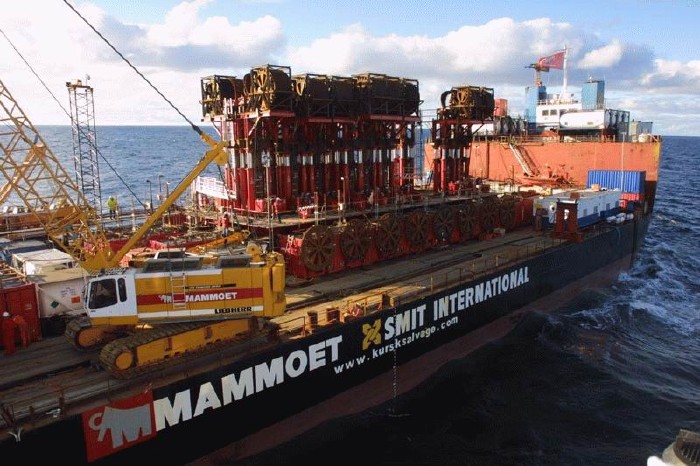
Though a rescue attempt was made by British and Norwegian teams, all sailors and officers aboard the Kursk perished. The first investigations suggested that most of the crew had died within minutes of the explosion. However, journal entries show that many survived in the rear of the ship for hours after the blasts. Kursk was eventually raised from her grave by a Dutch team using the barge Giant 4, and 115 of the 118 dead were recovered and laid to rest in Russia. Russian officials have strenuously denied claims that the sub was carrying nuclear warheads. When the boat was raised by a salvage operation in 2001 there were considerable fears moving the wreck could trigger explosions.
The Boat
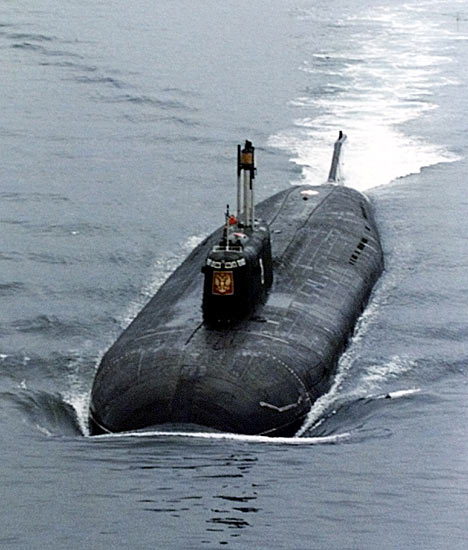
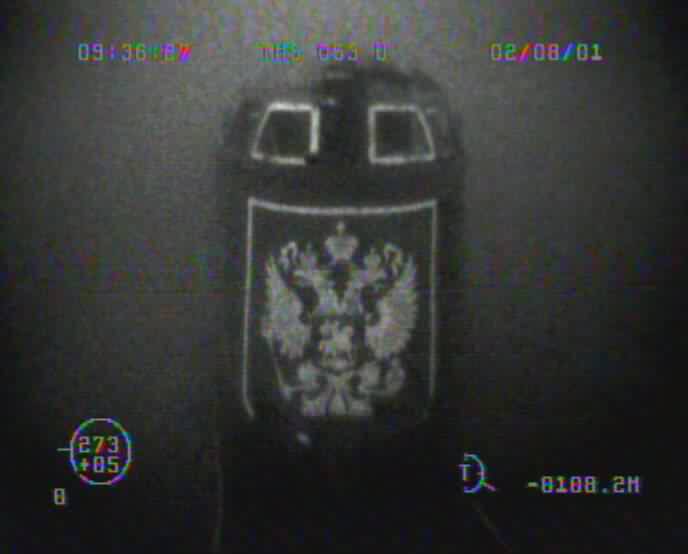
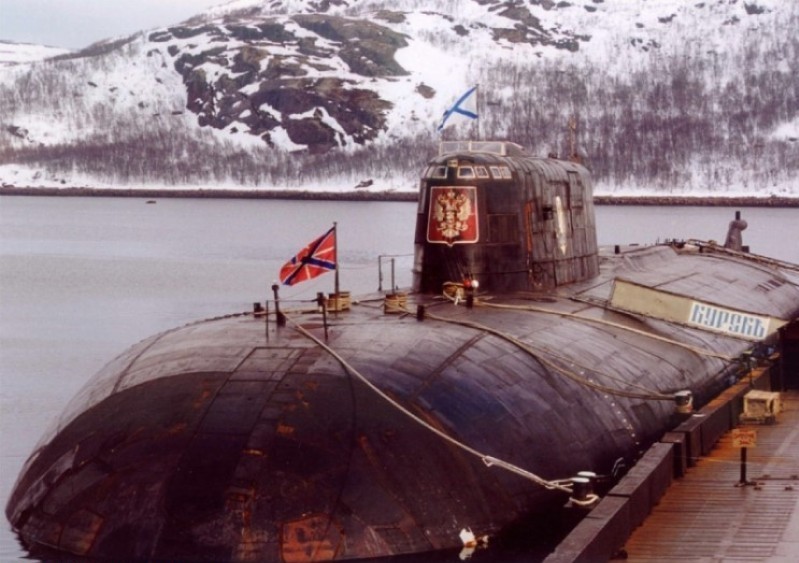
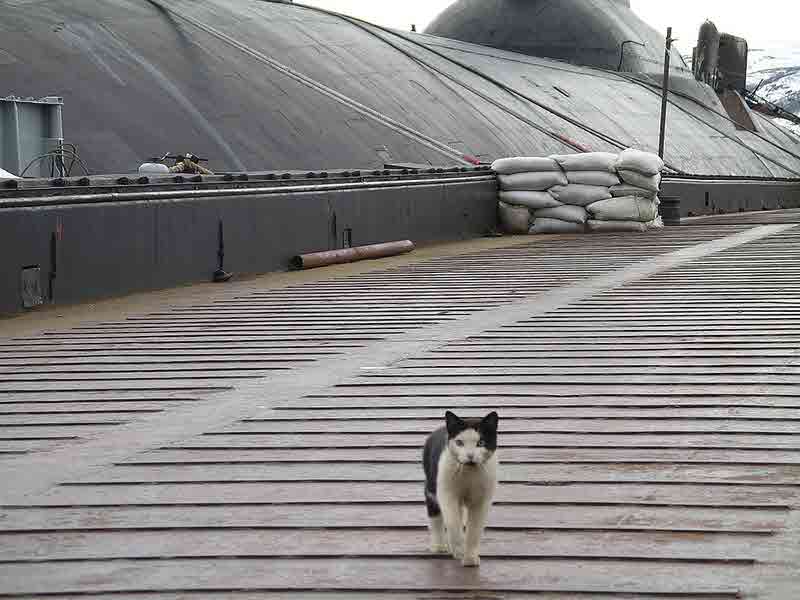
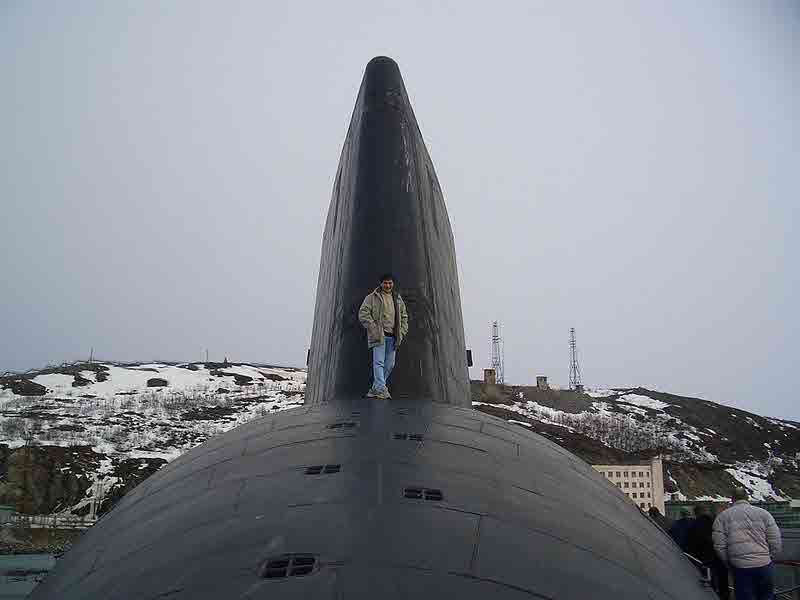
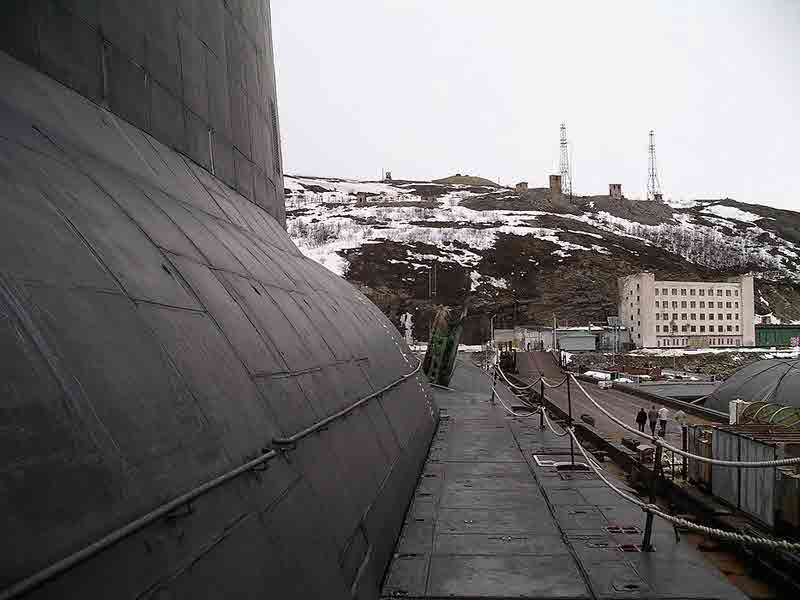
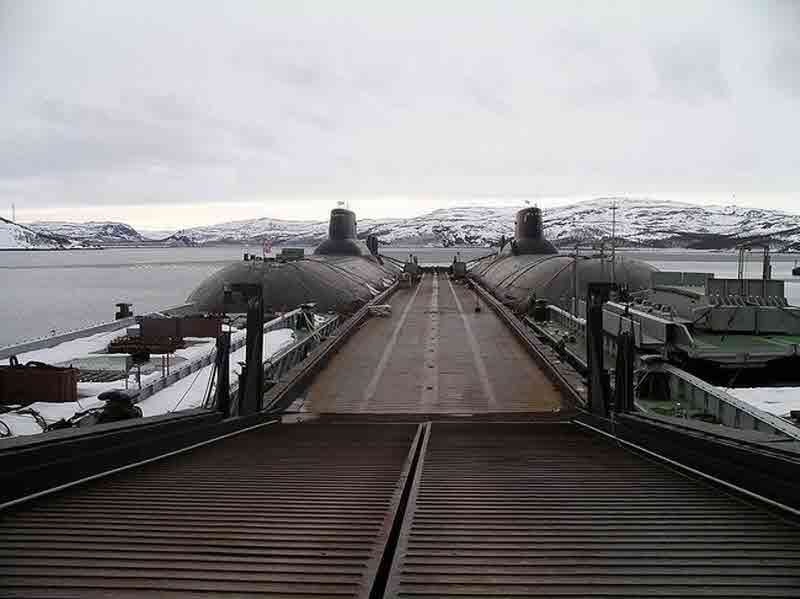
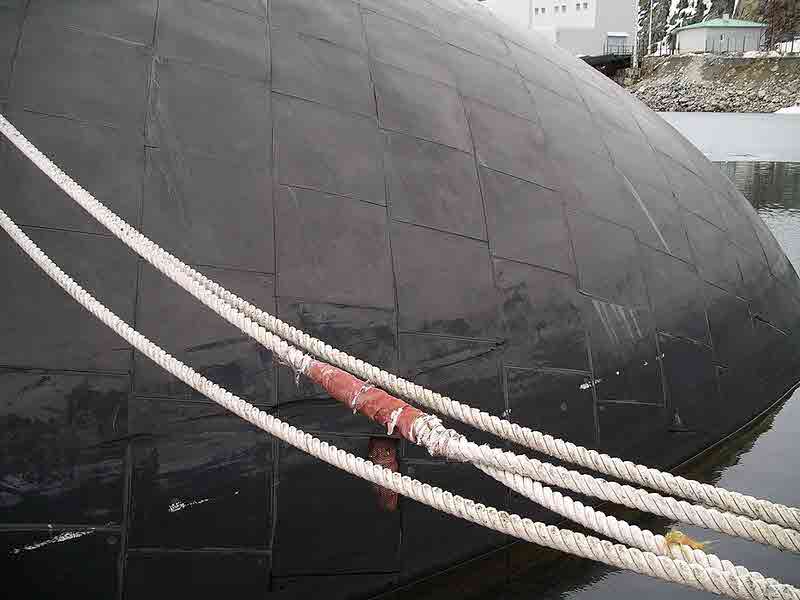
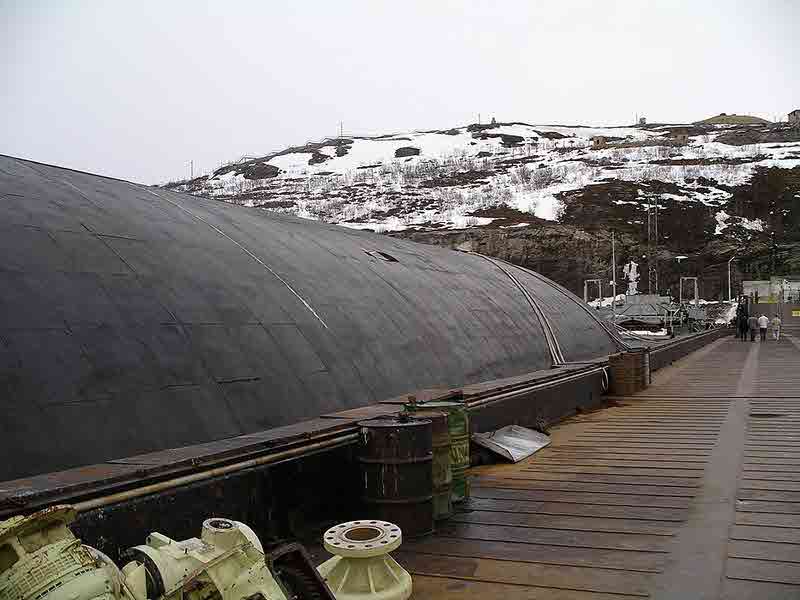
Photographs of the Oscar-II class Kursk — her size compared to other vessels, the bow, and the conning tower. Click any photo to enlarge.

Explosion & Salvage Damage
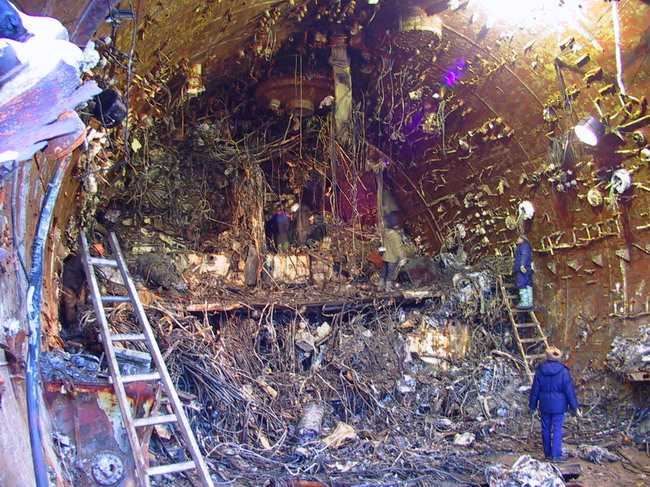
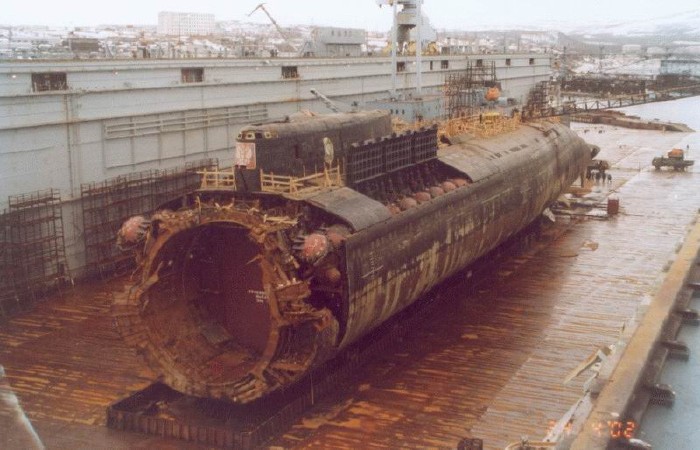
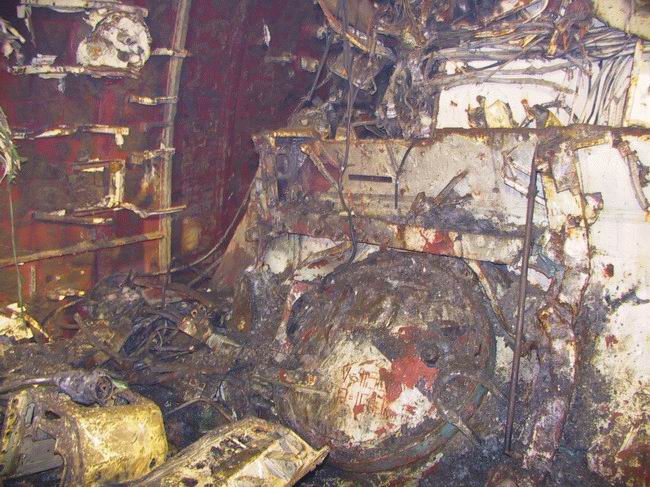
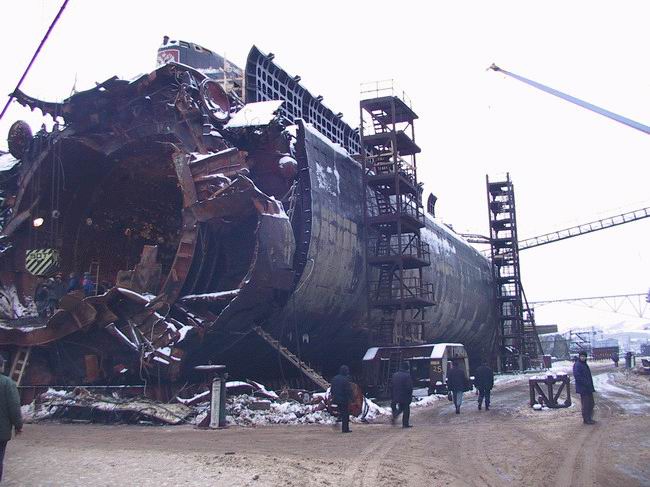
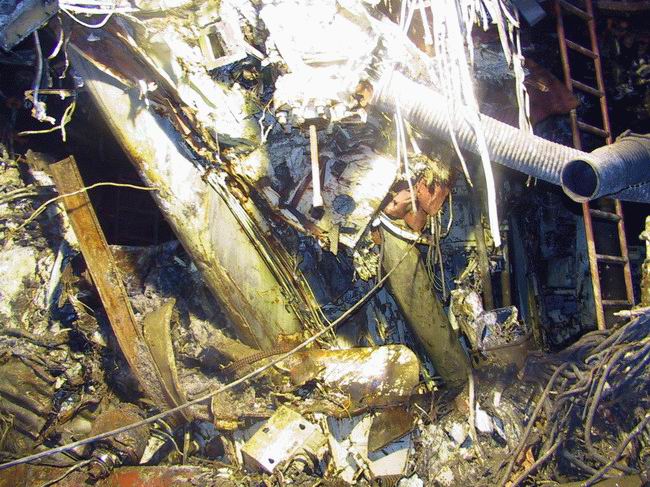
These photographs show the torpedo-room explosion damage to the bow and the condition of the wreck during the 2001 salvage. Click any photo to enlarge.


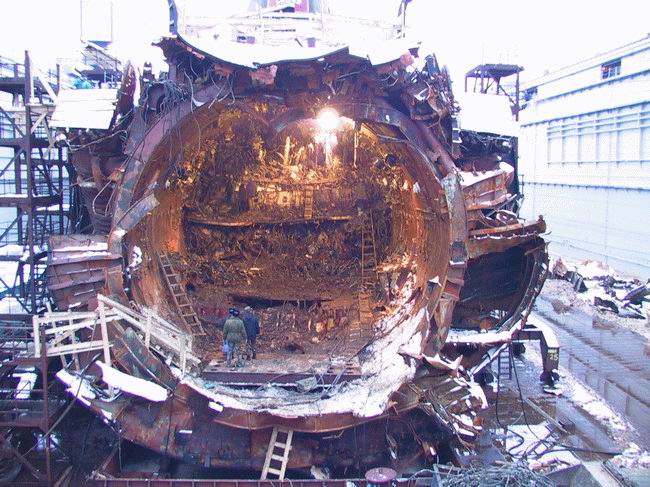
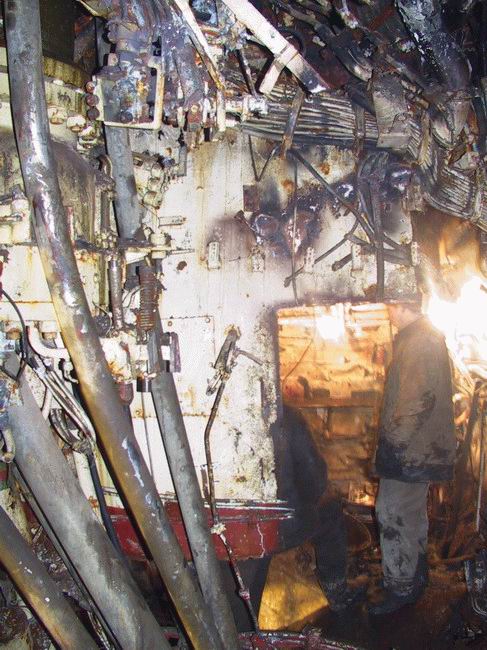

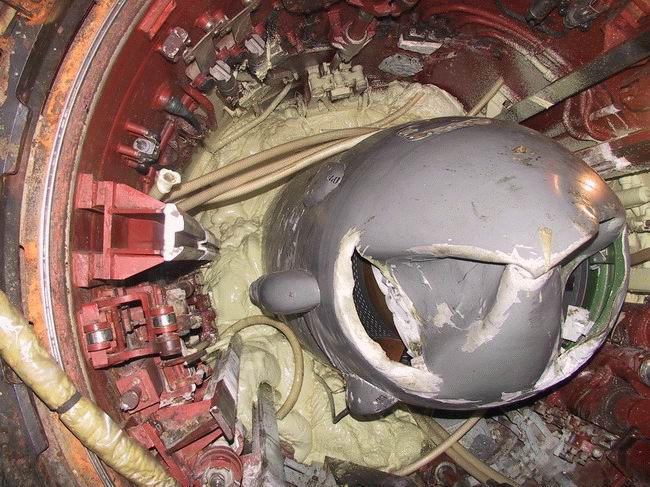

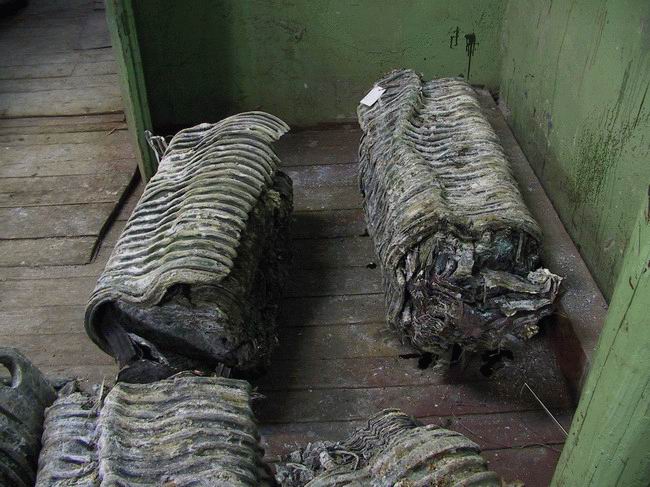

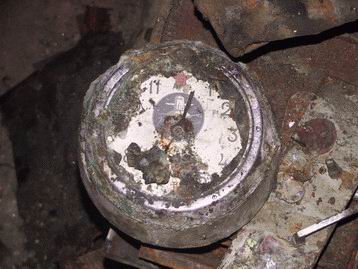
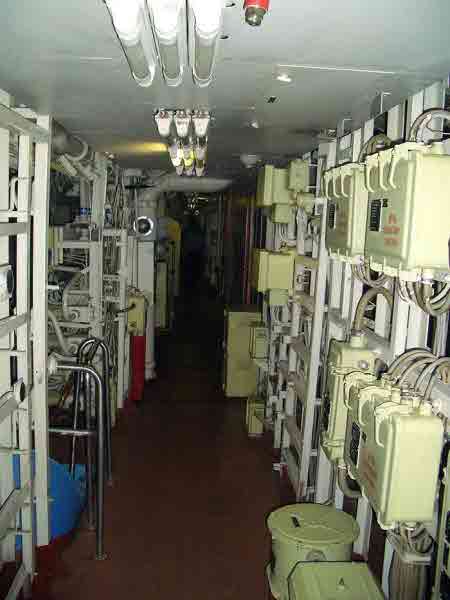
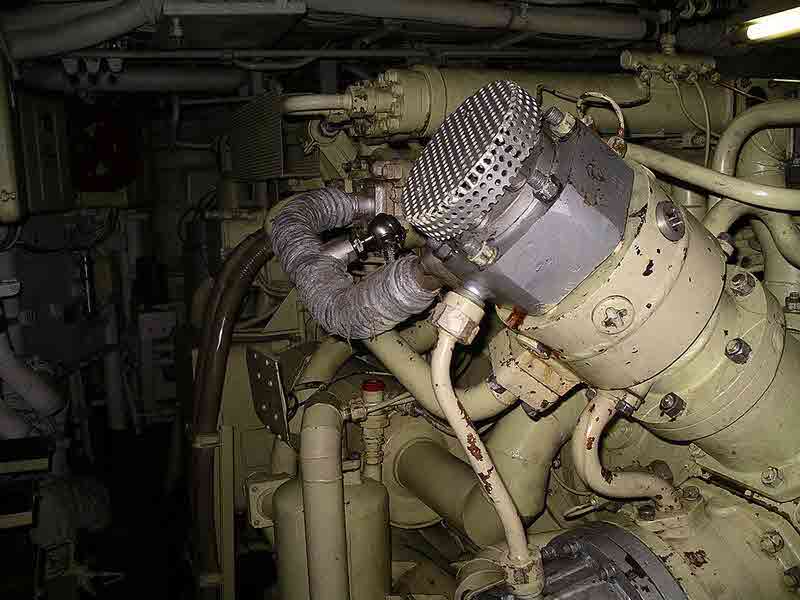
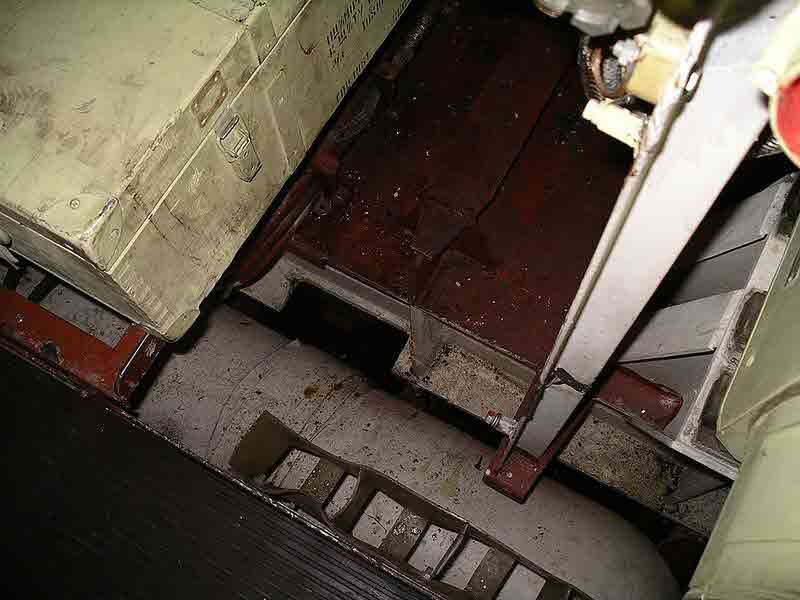
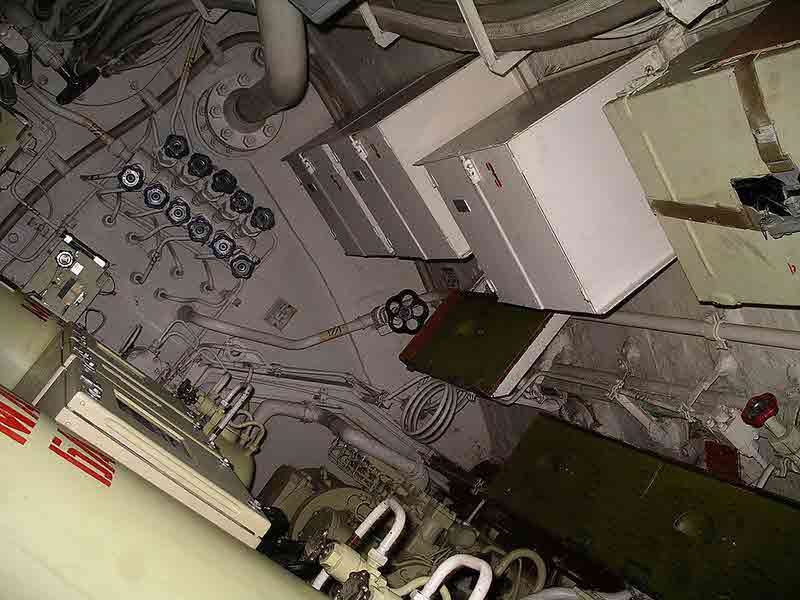
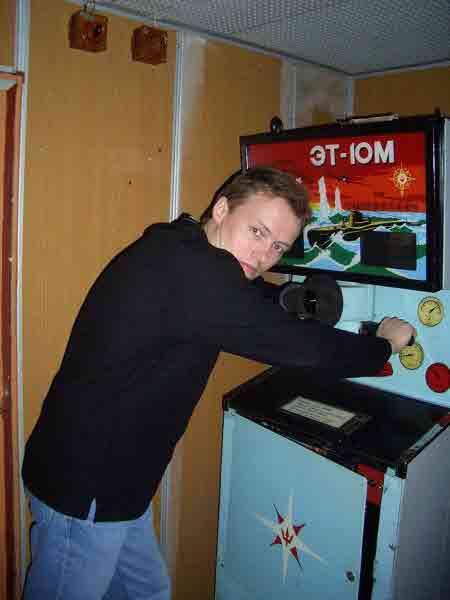
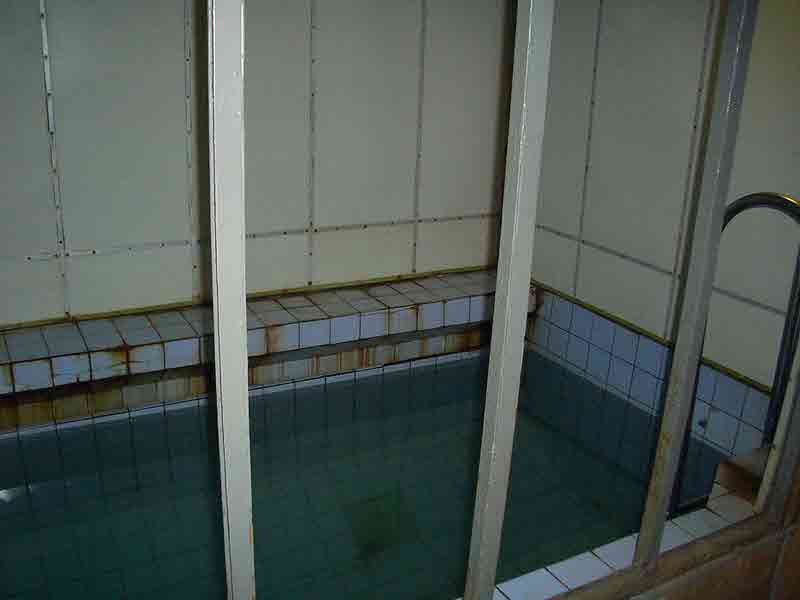
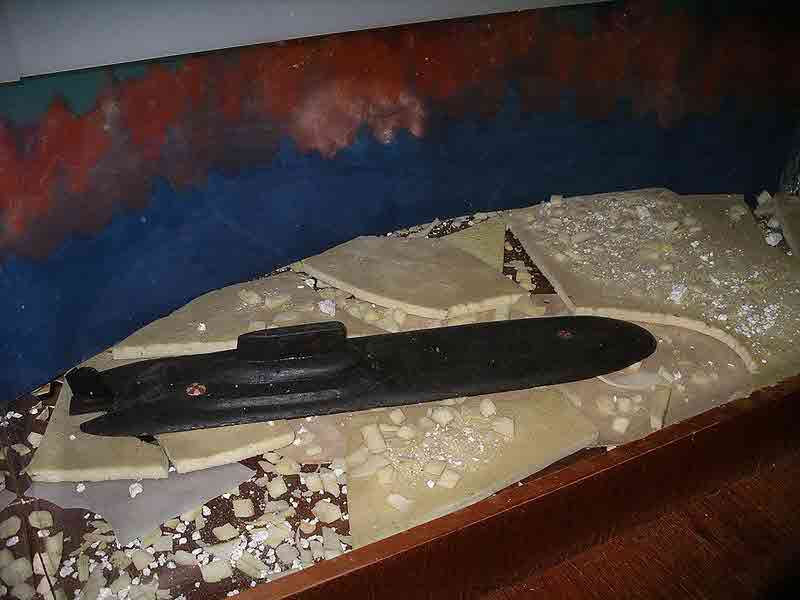
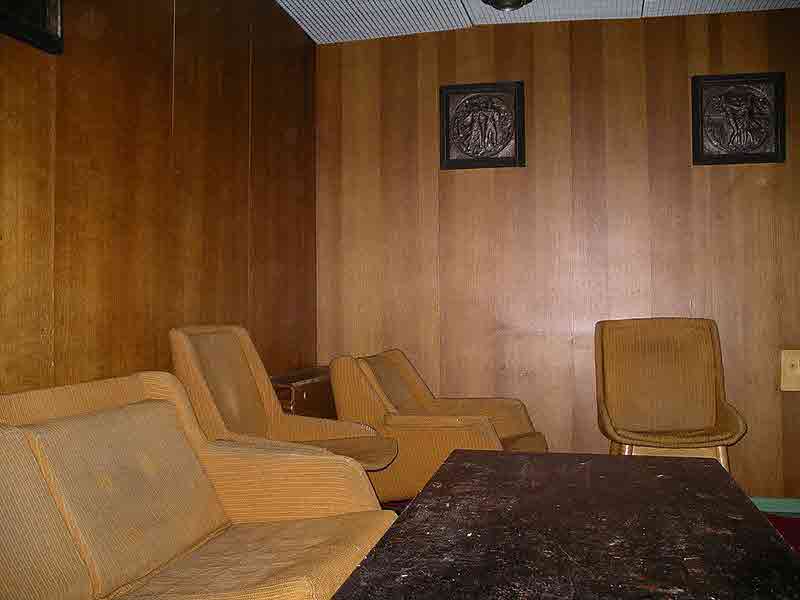
Exterior & Interior Photographs
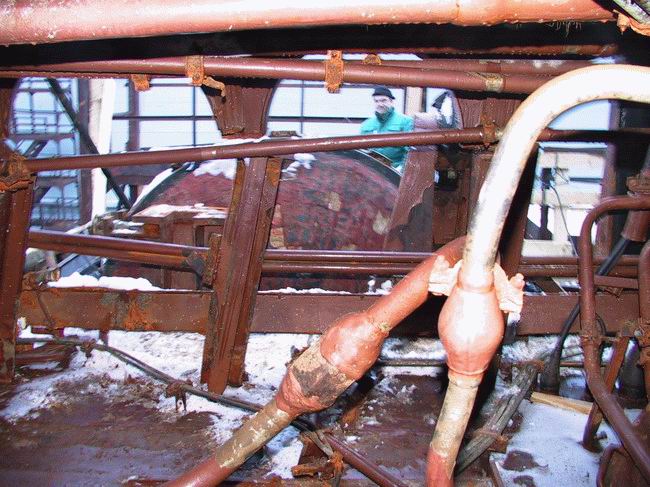
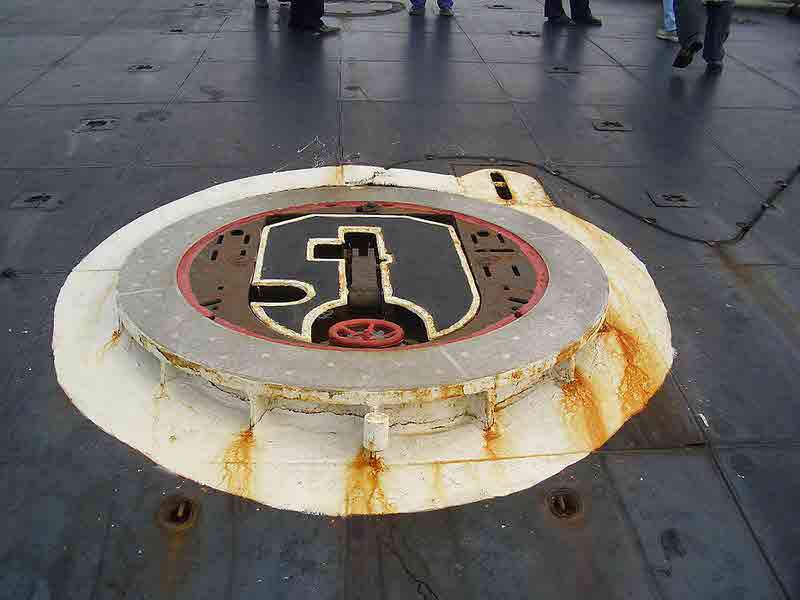
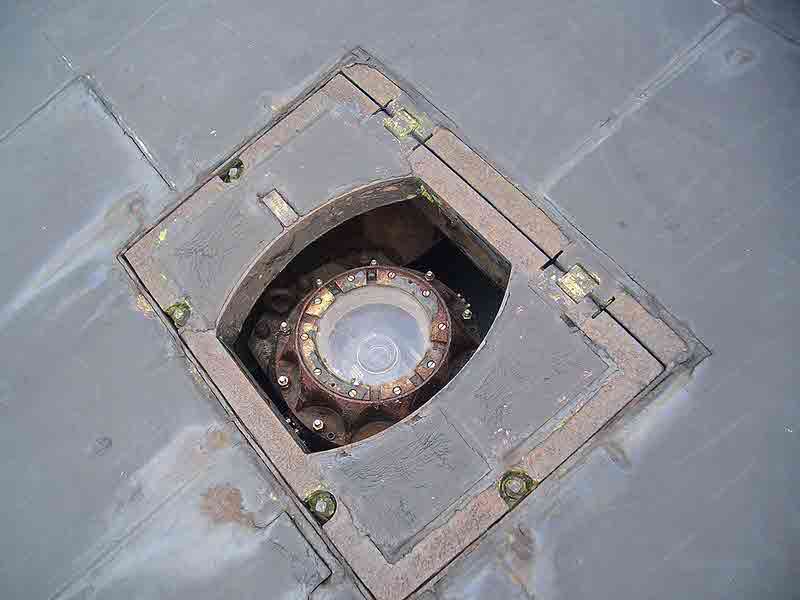
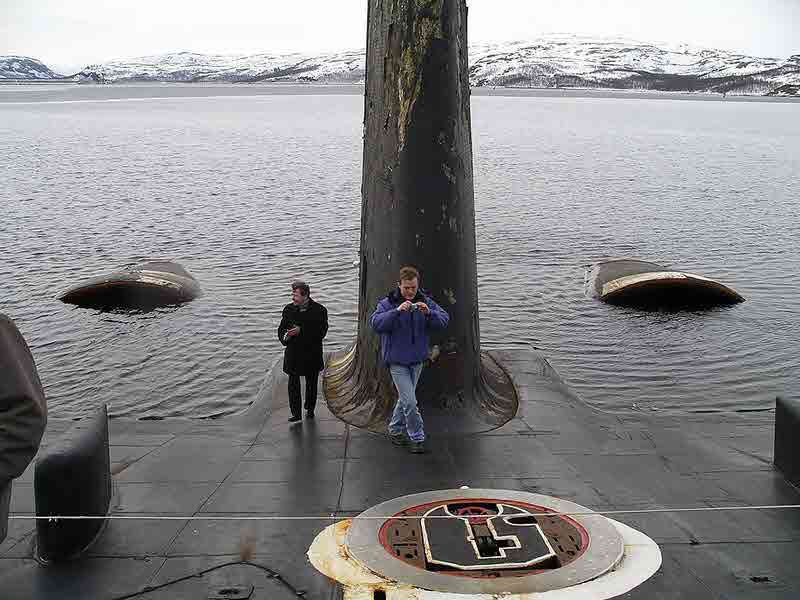
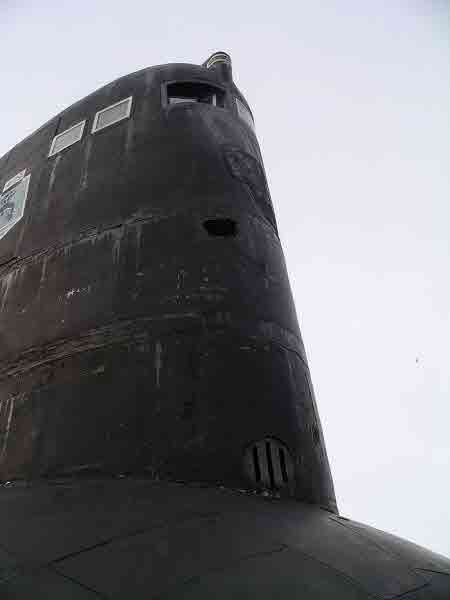
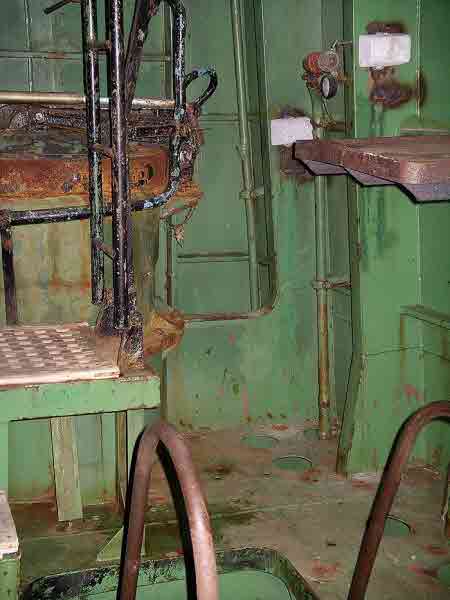
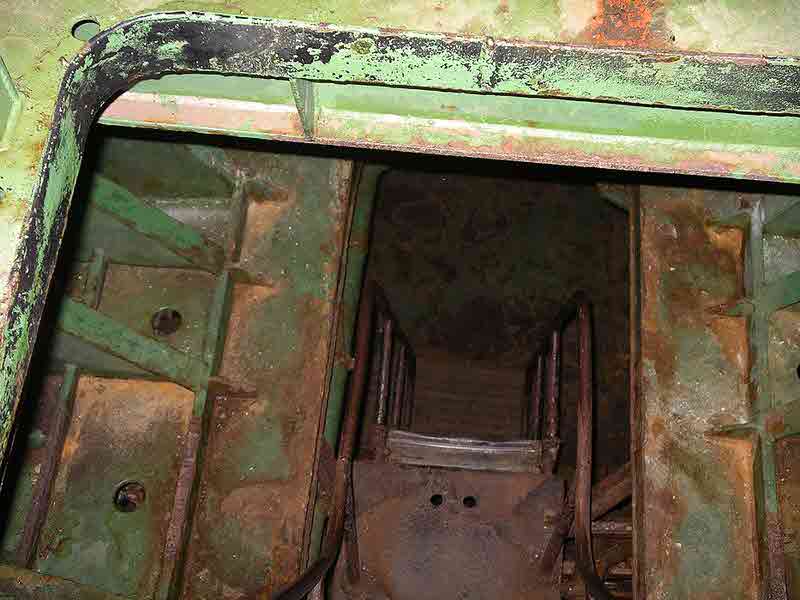
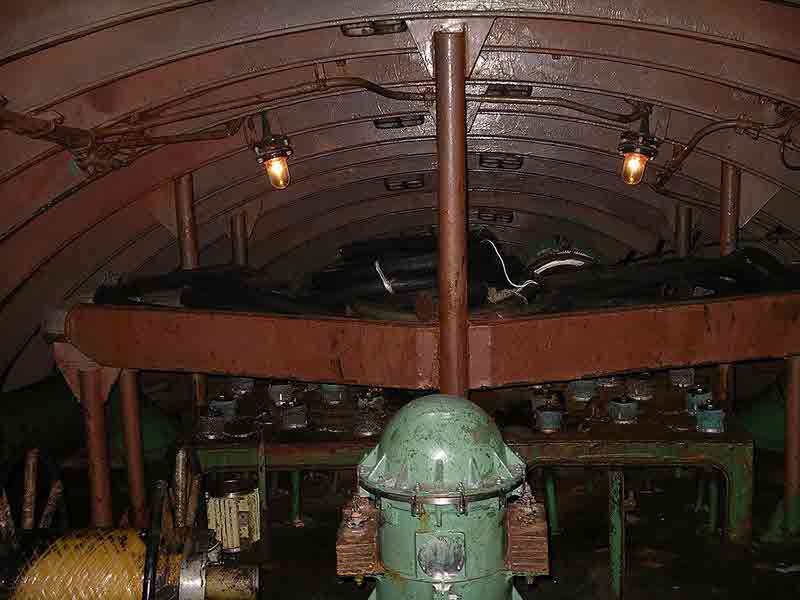
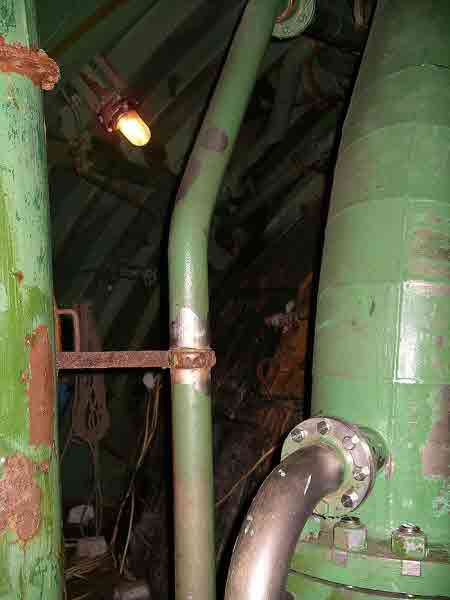
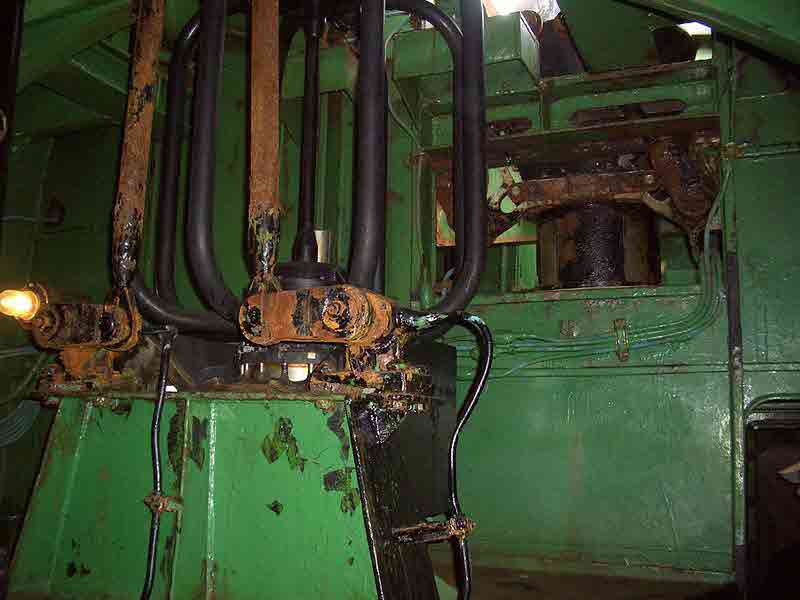
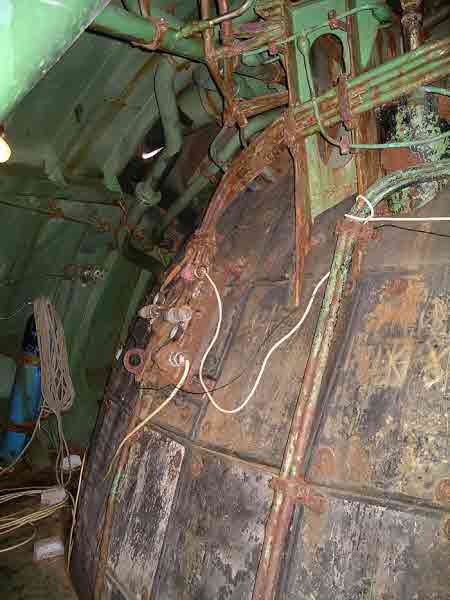
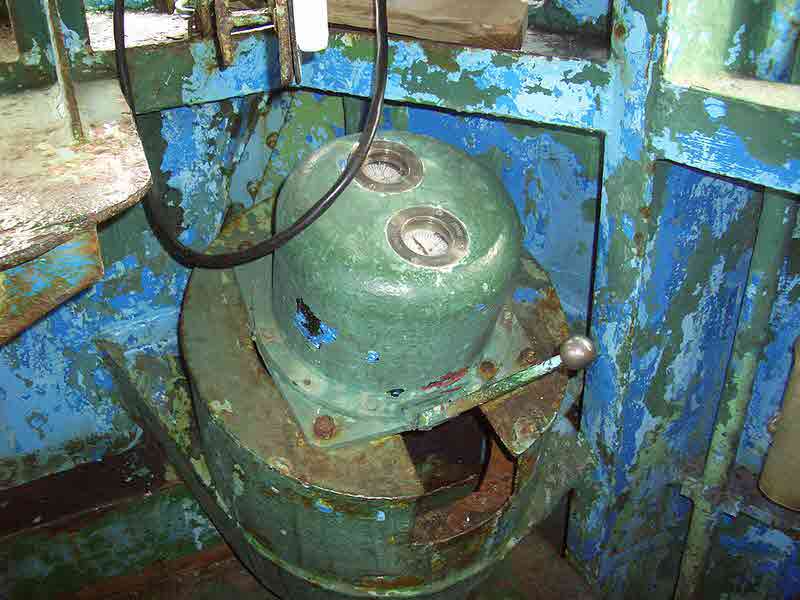
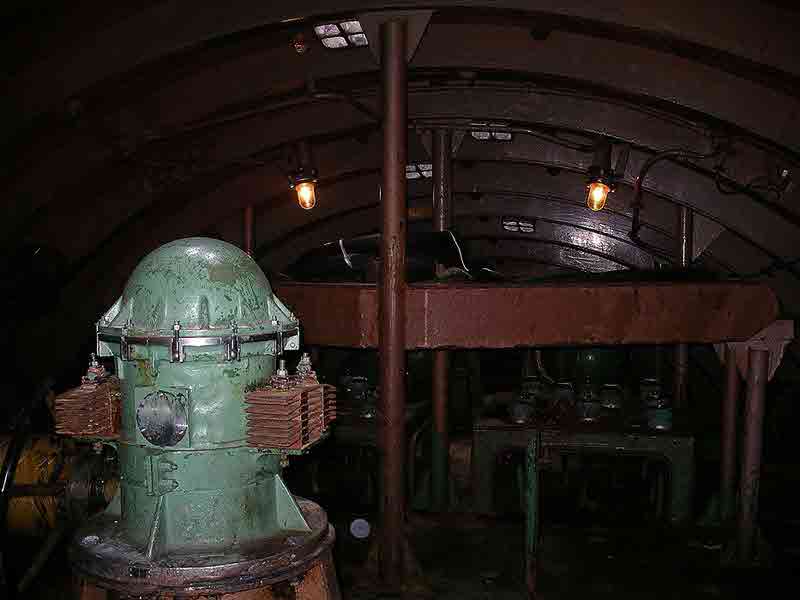
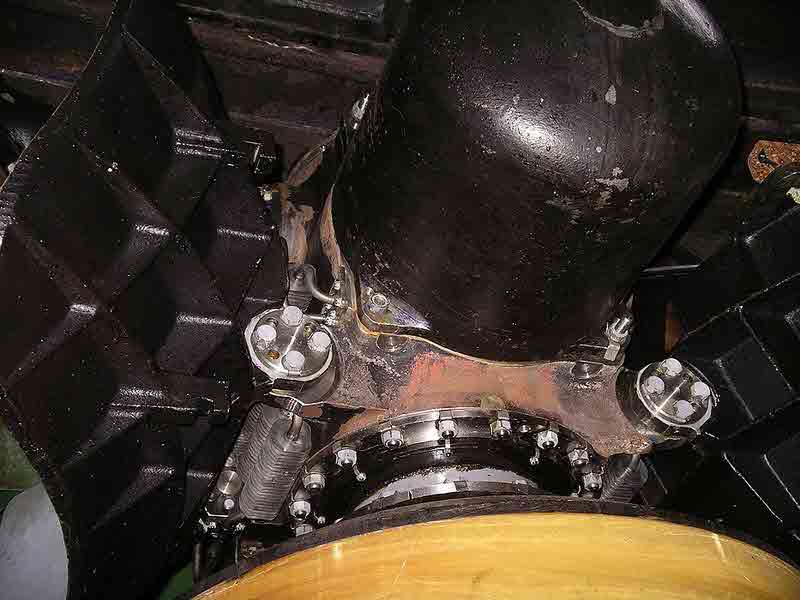
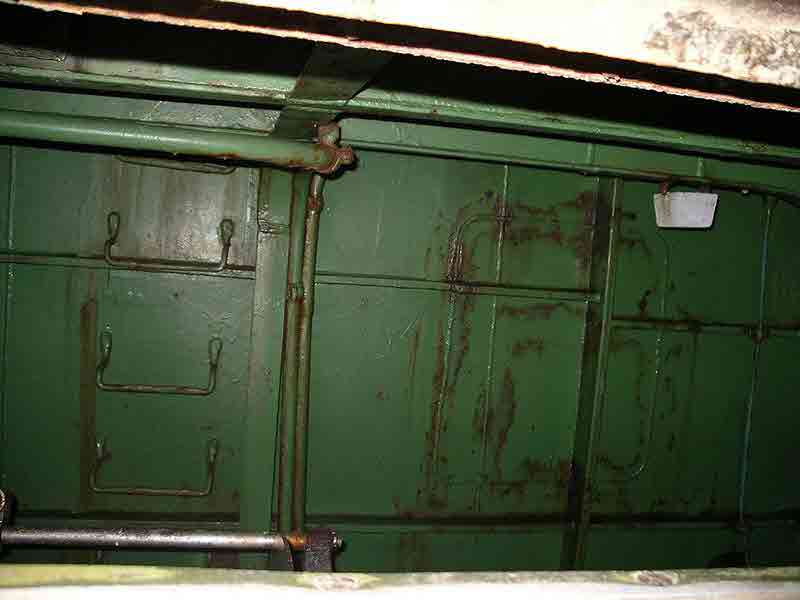
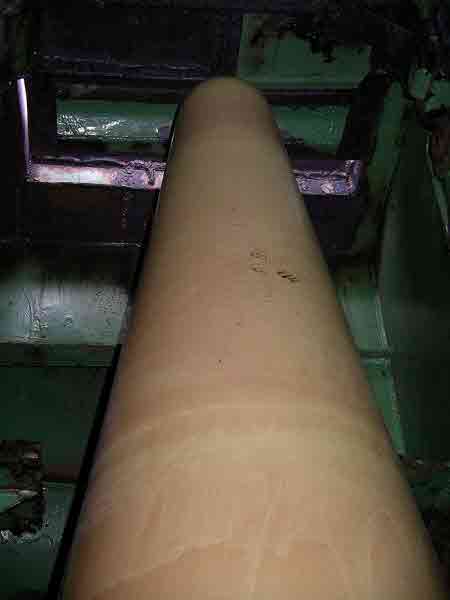
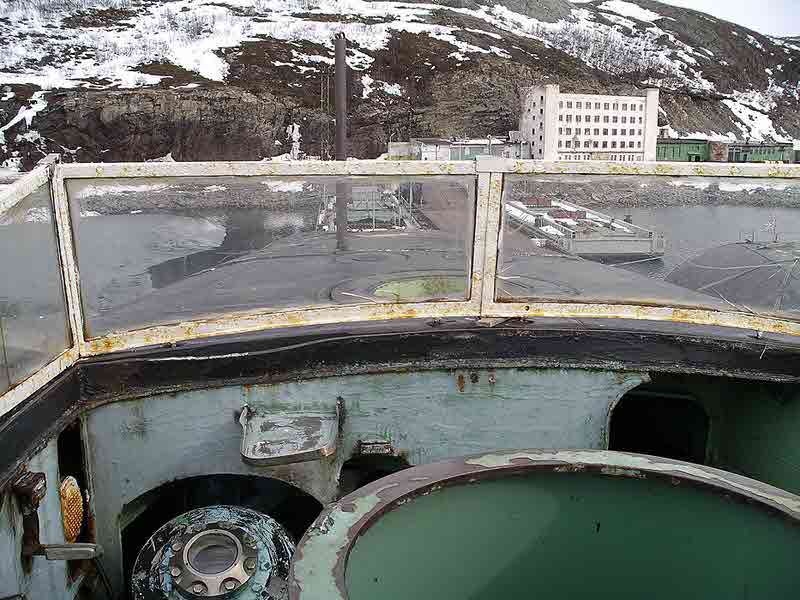
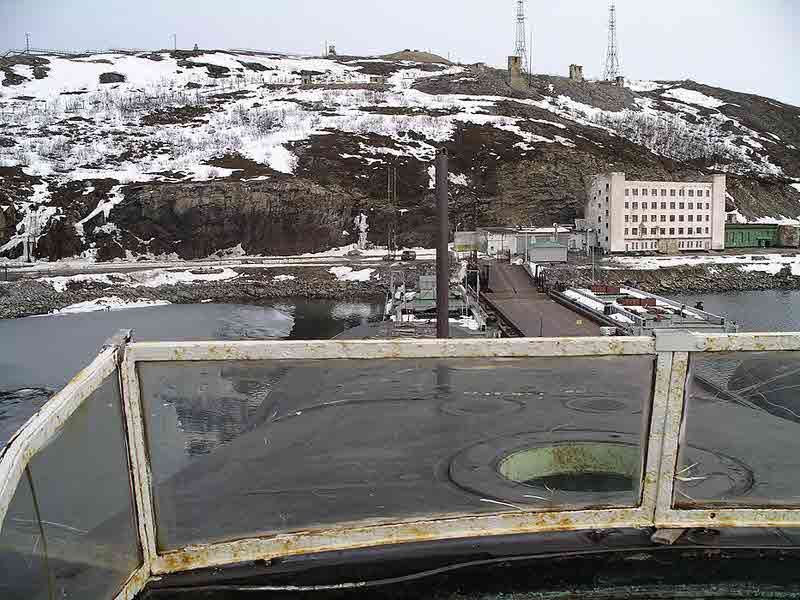
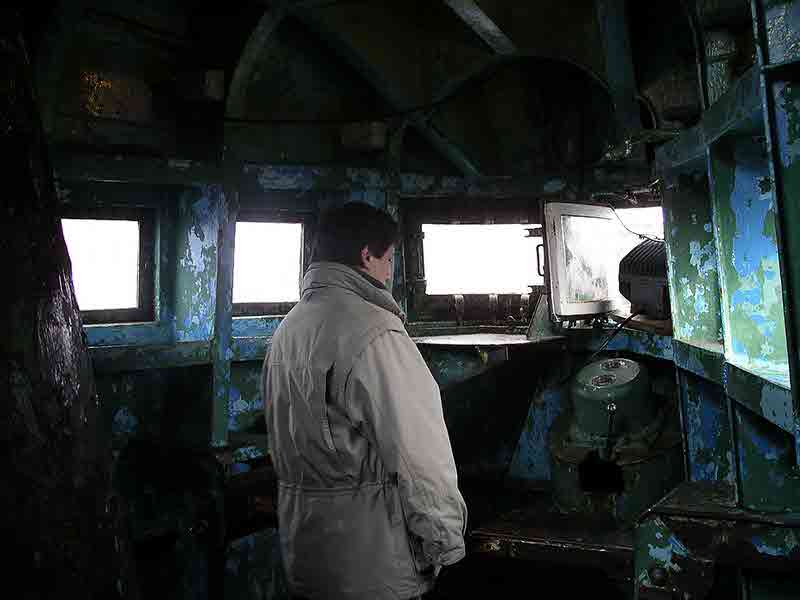
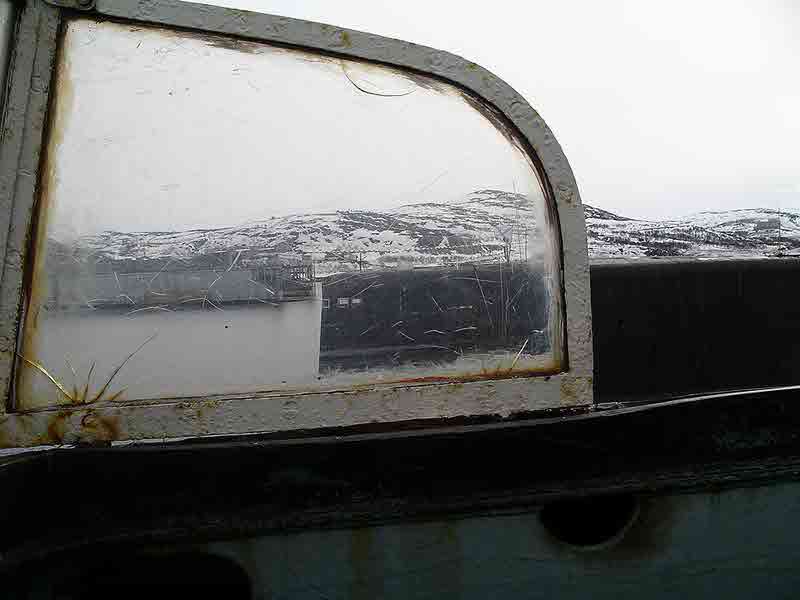
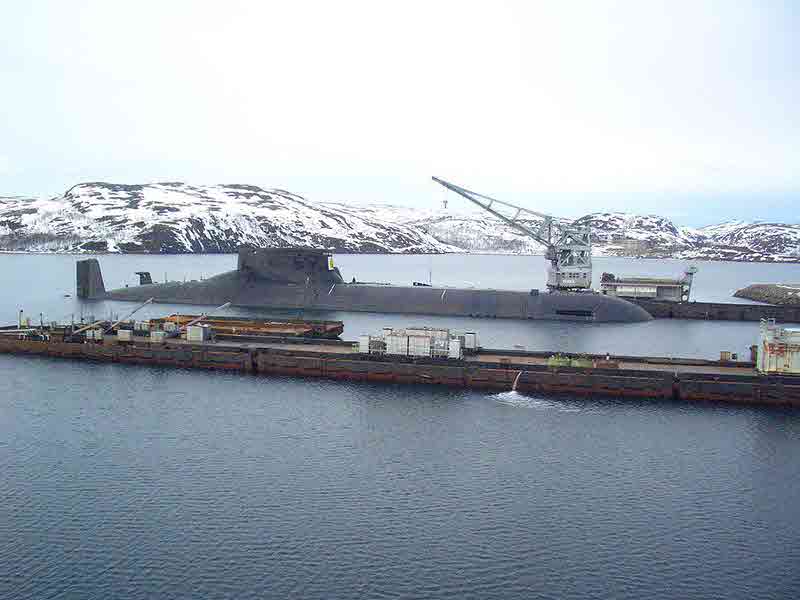
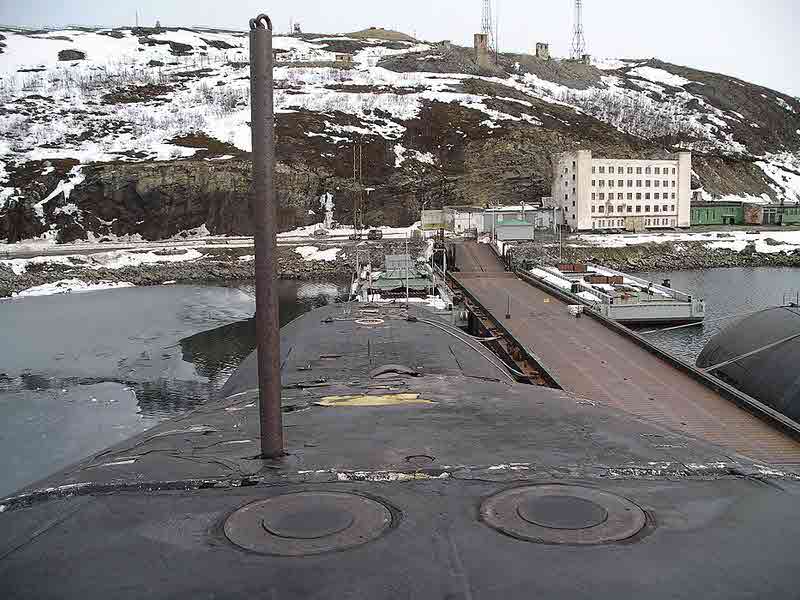
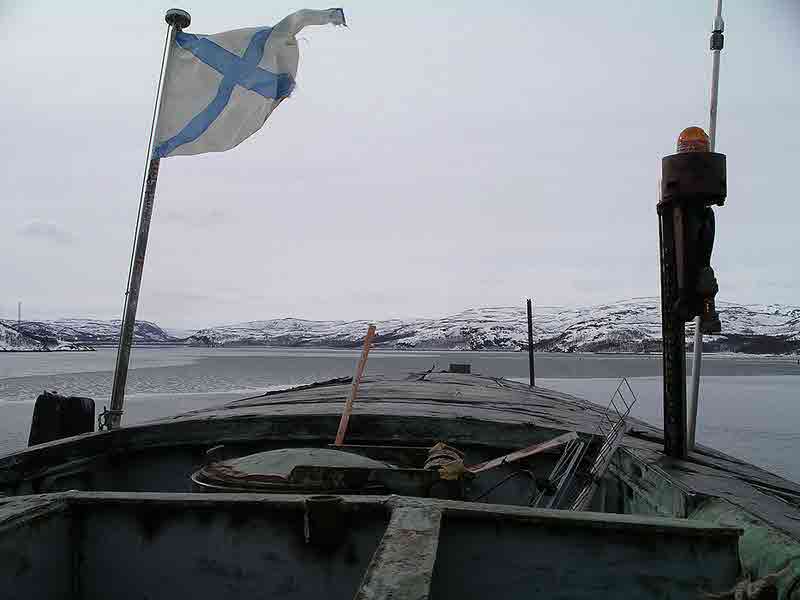
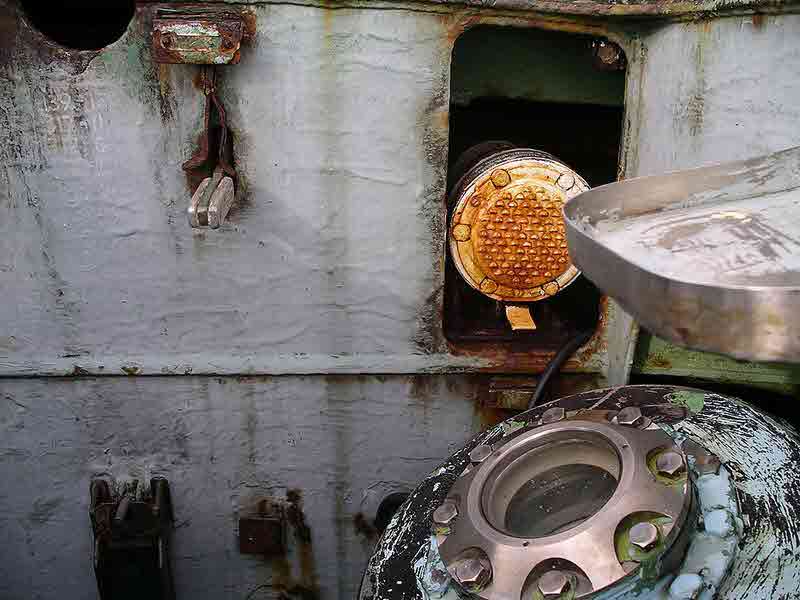
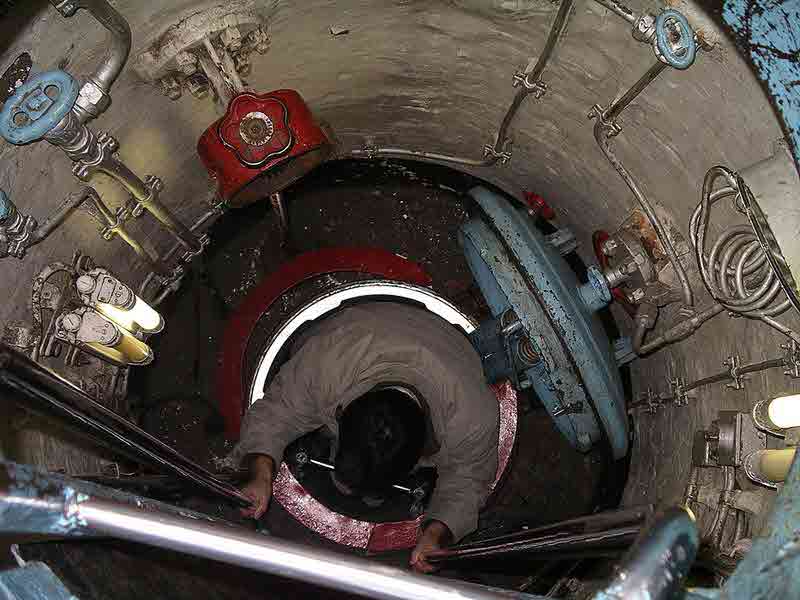
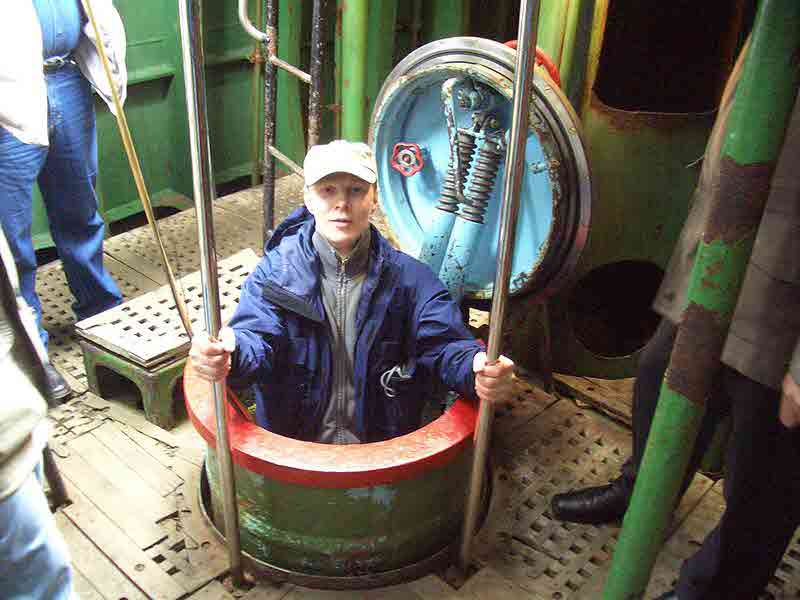
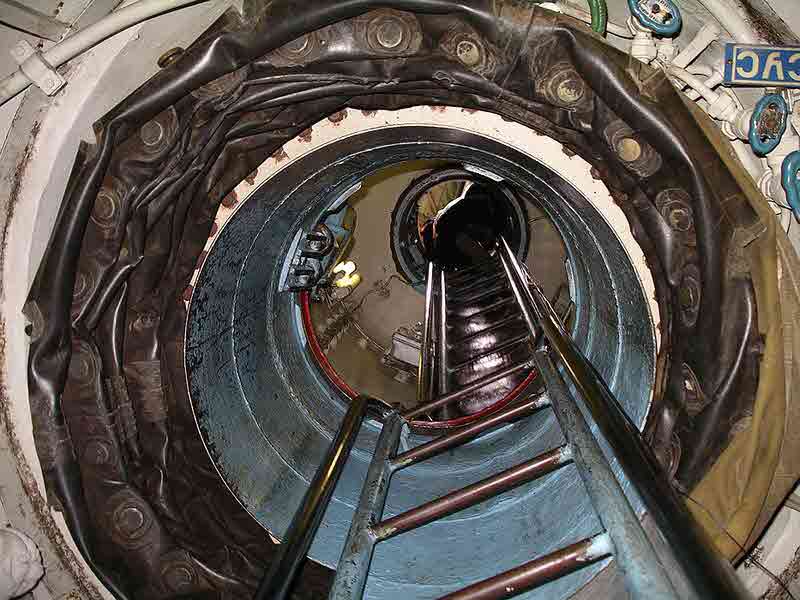
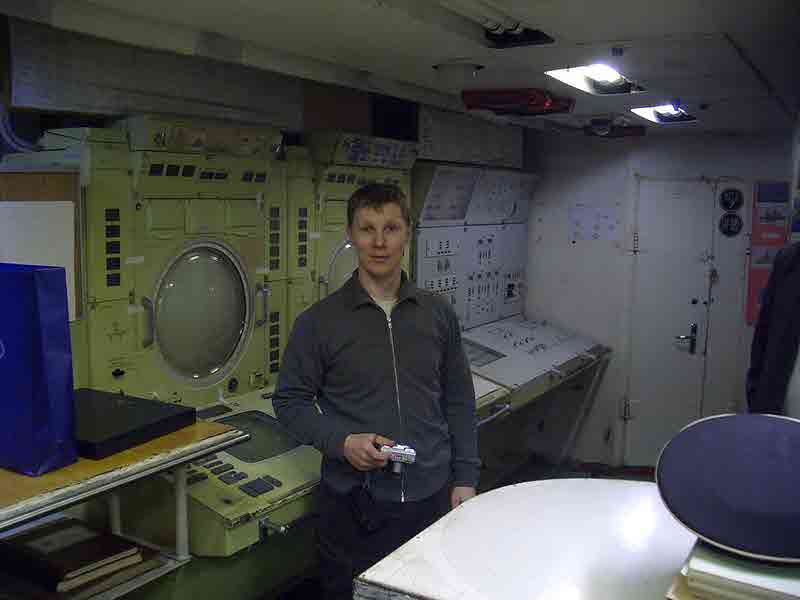
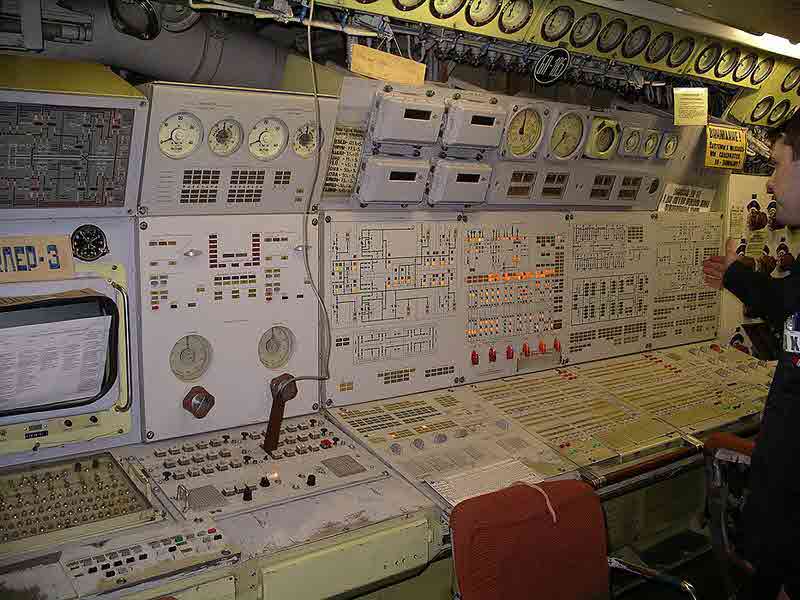
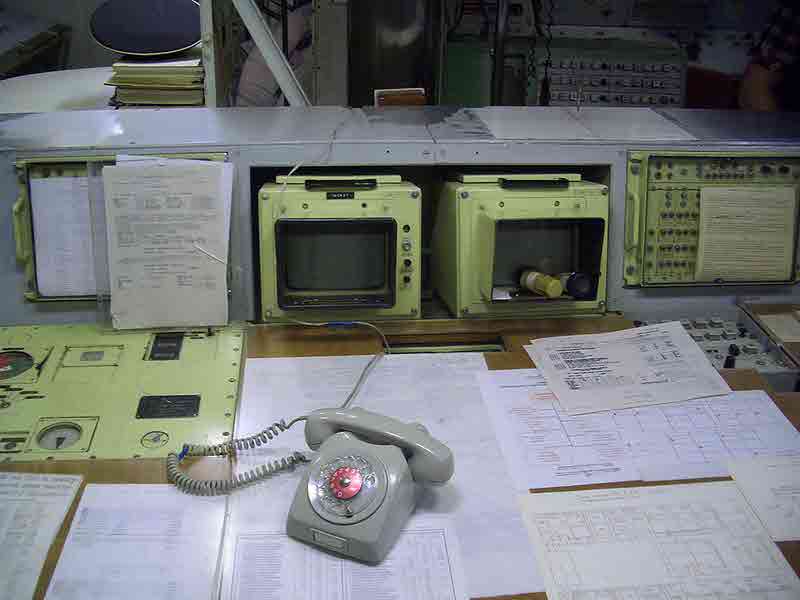
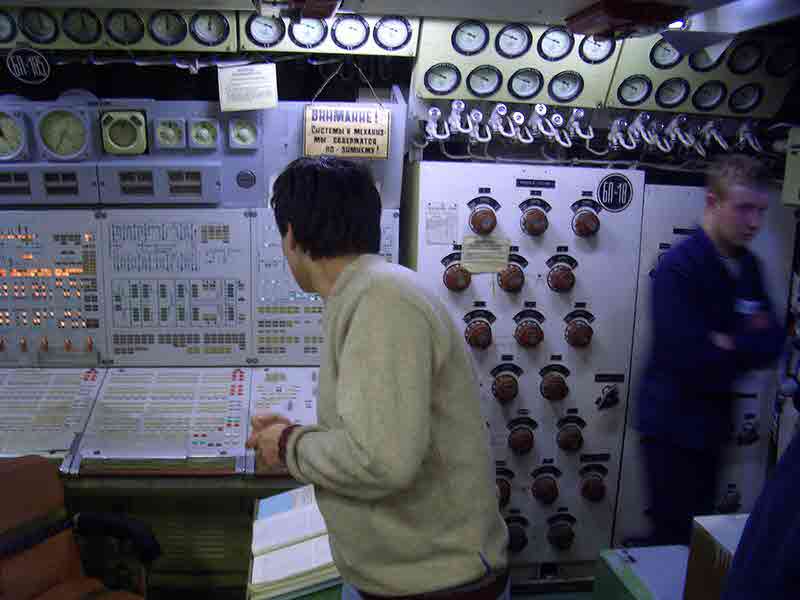
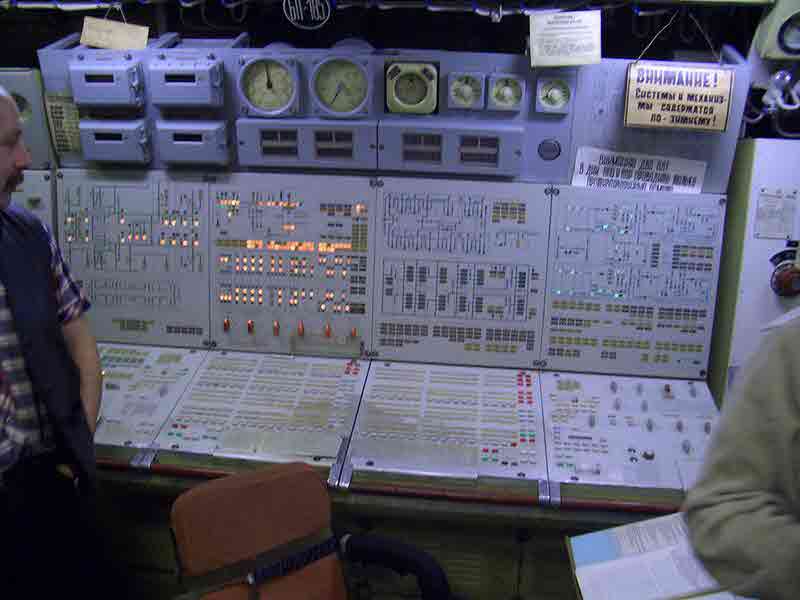
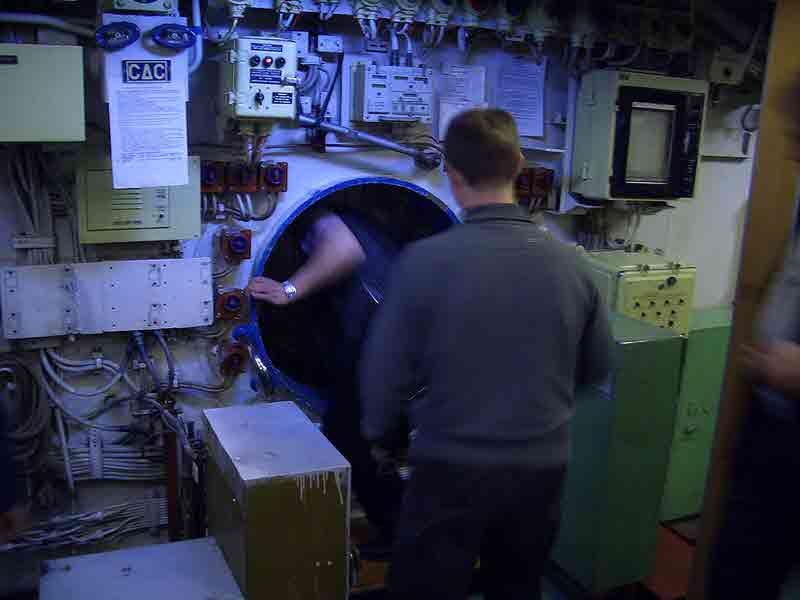
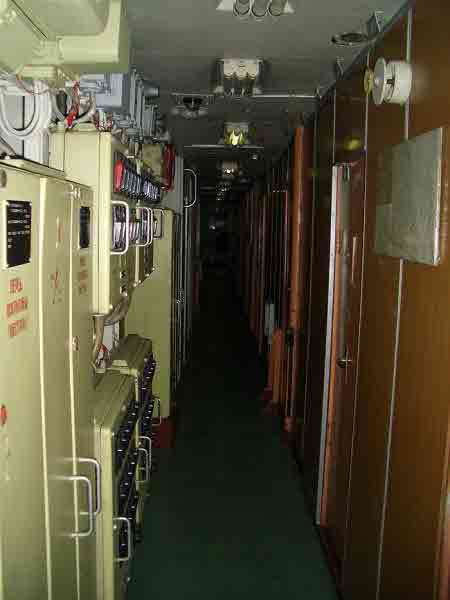
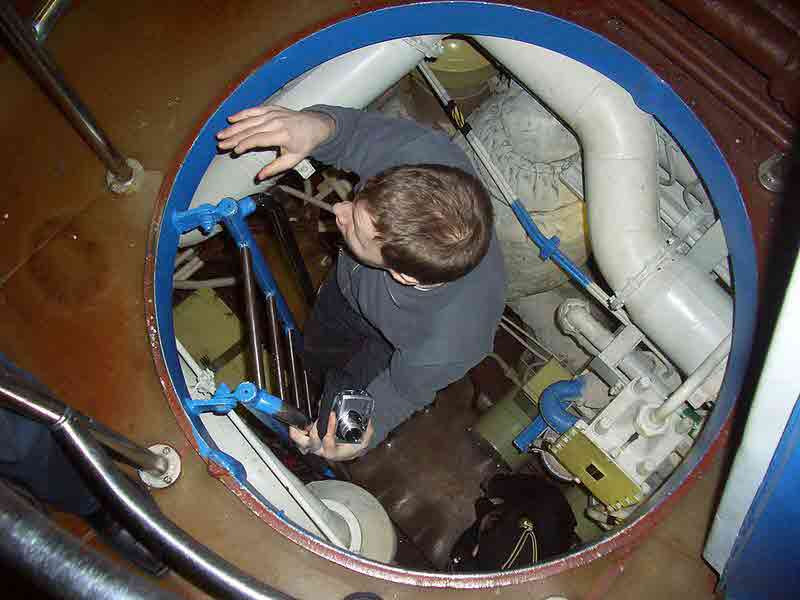
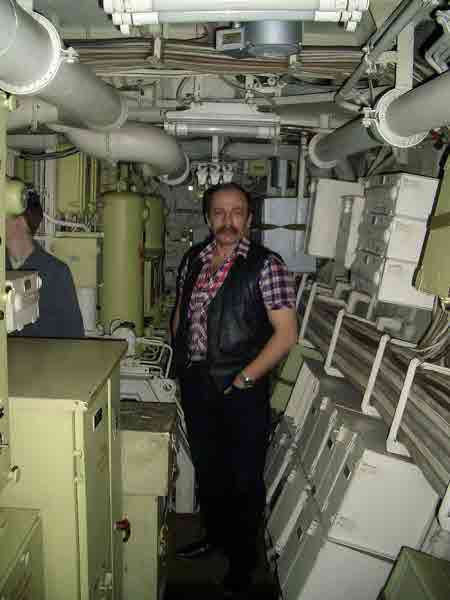
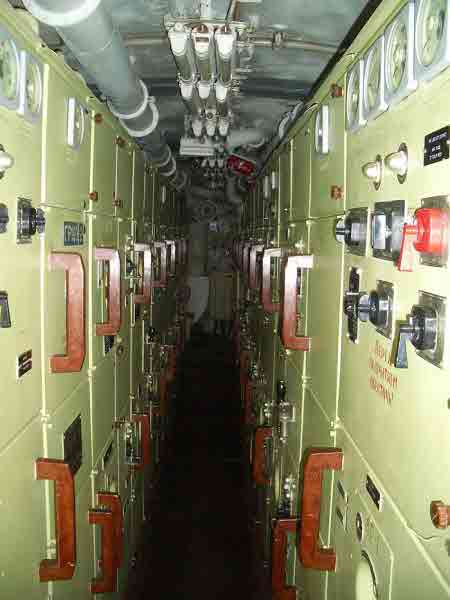
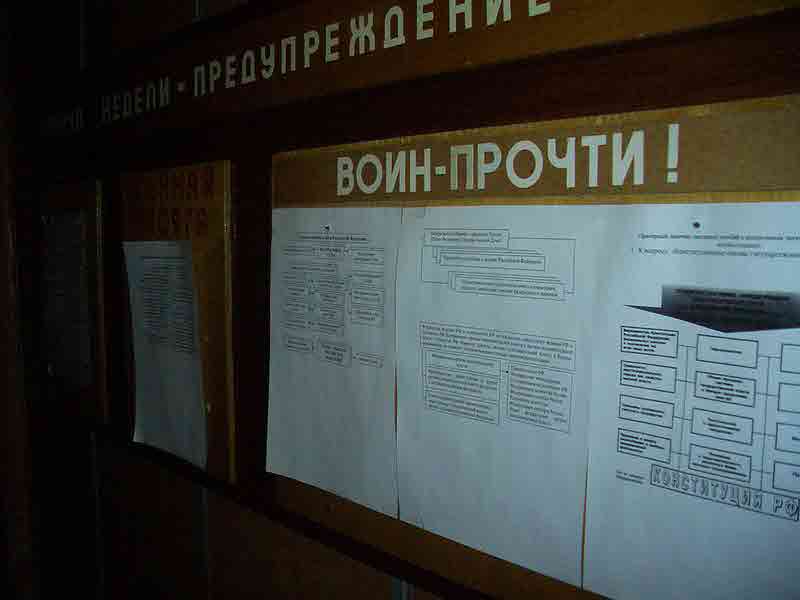
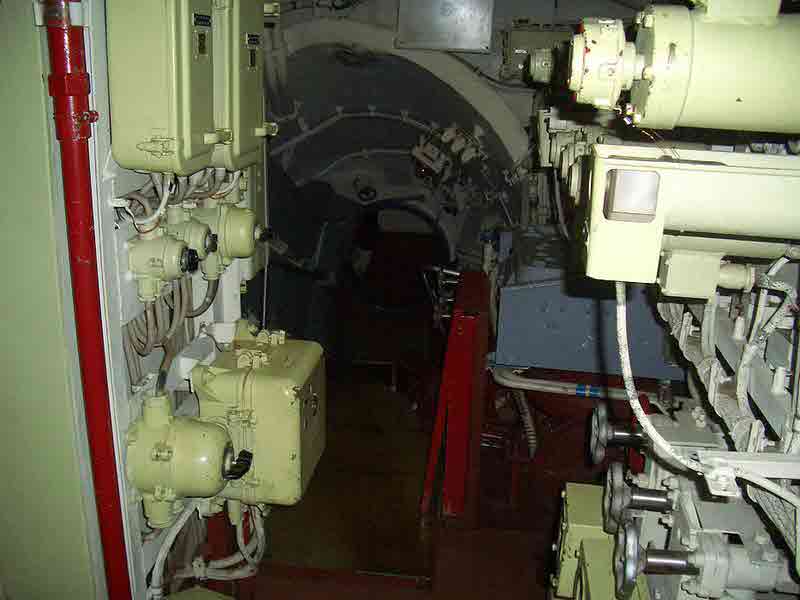
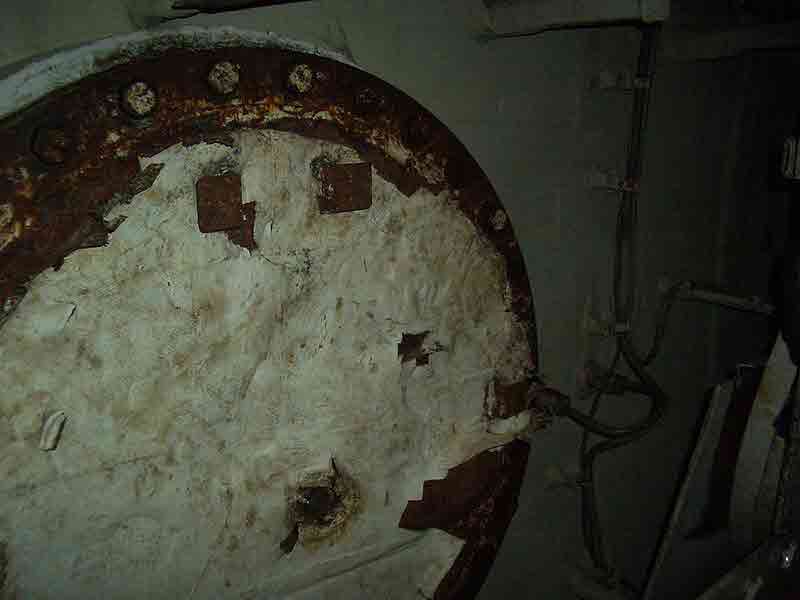
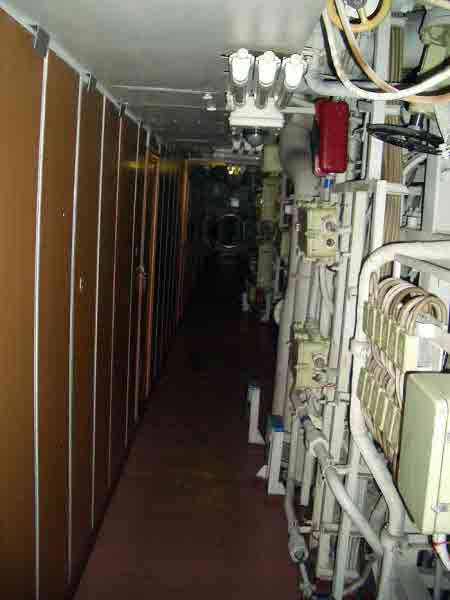
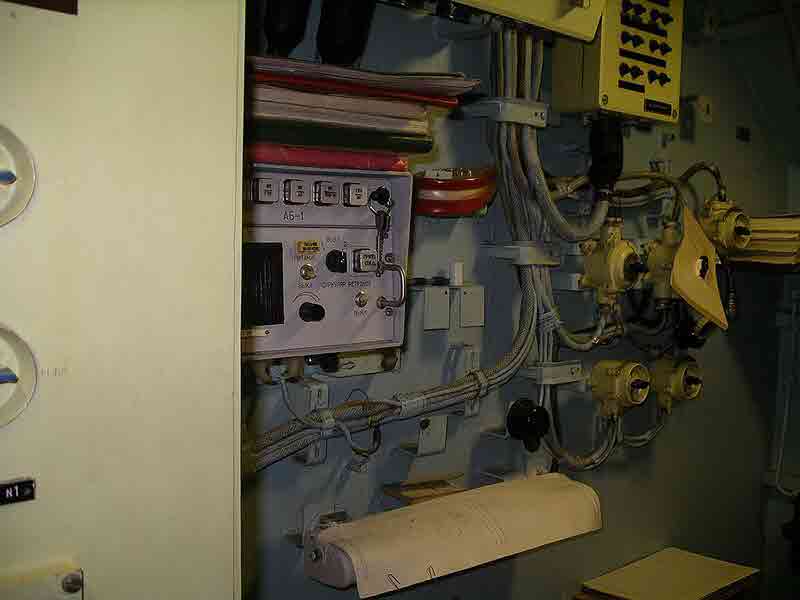
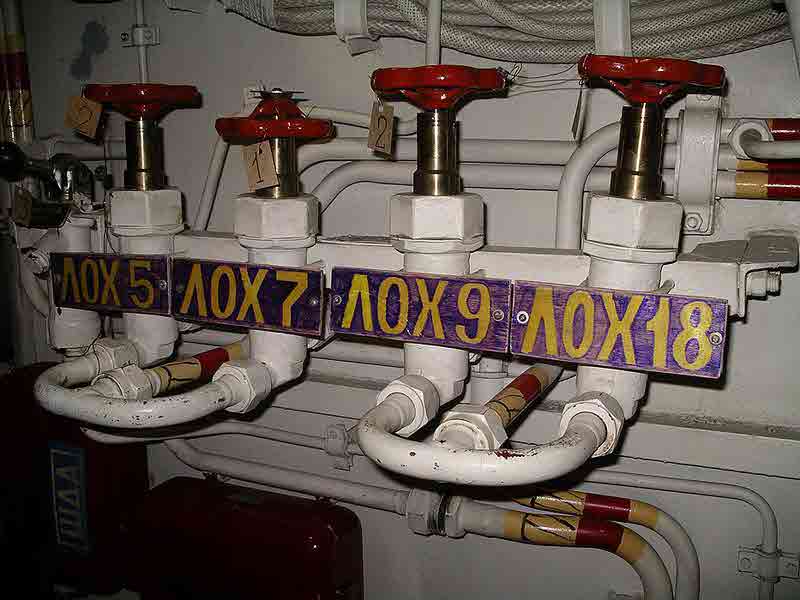
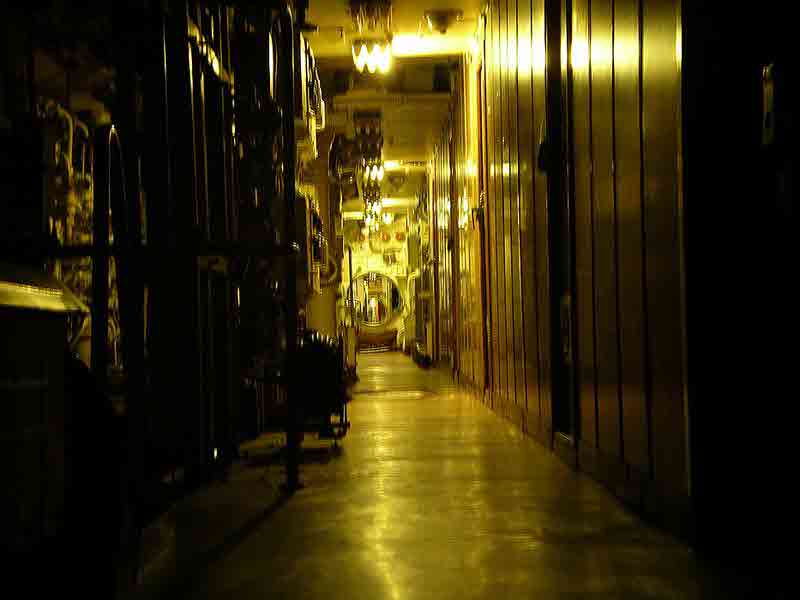
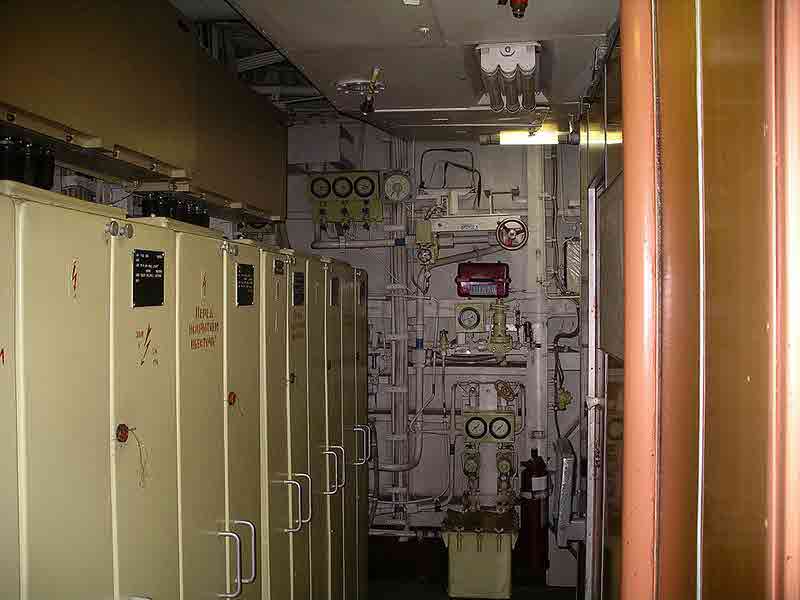
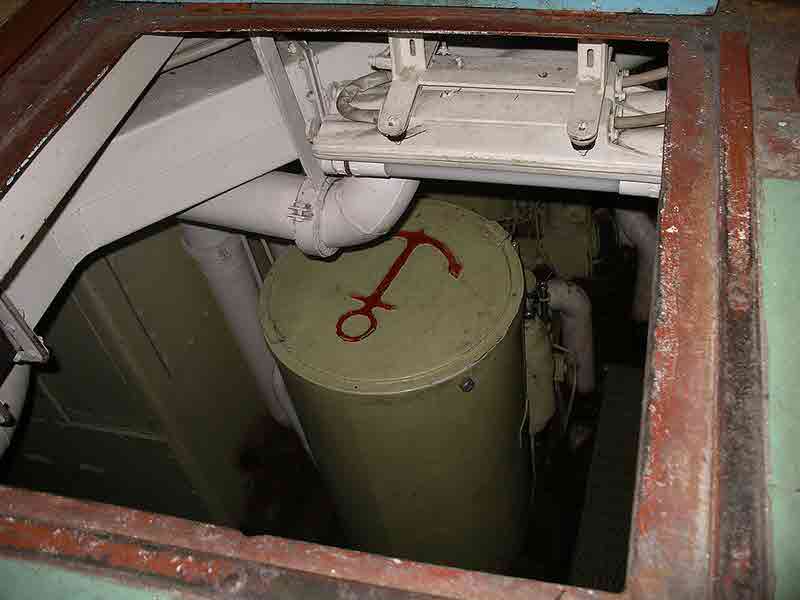
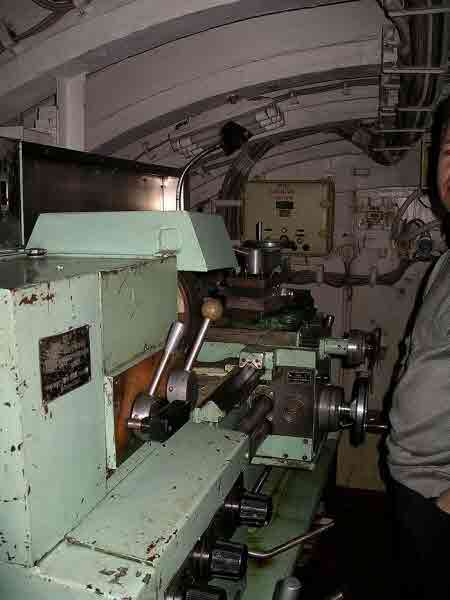
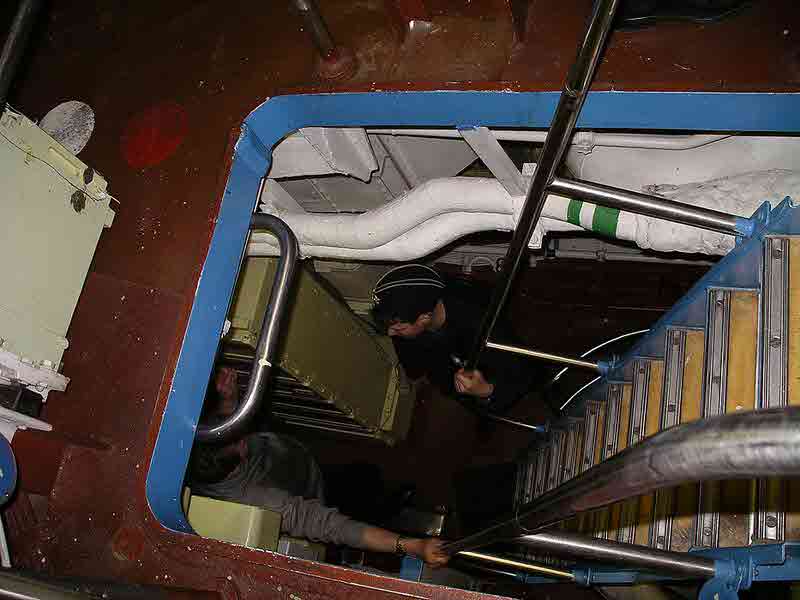
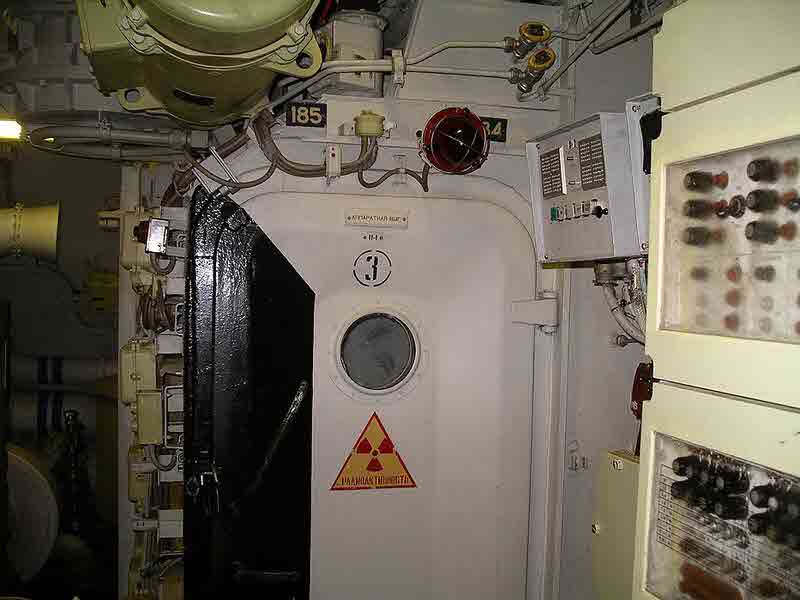
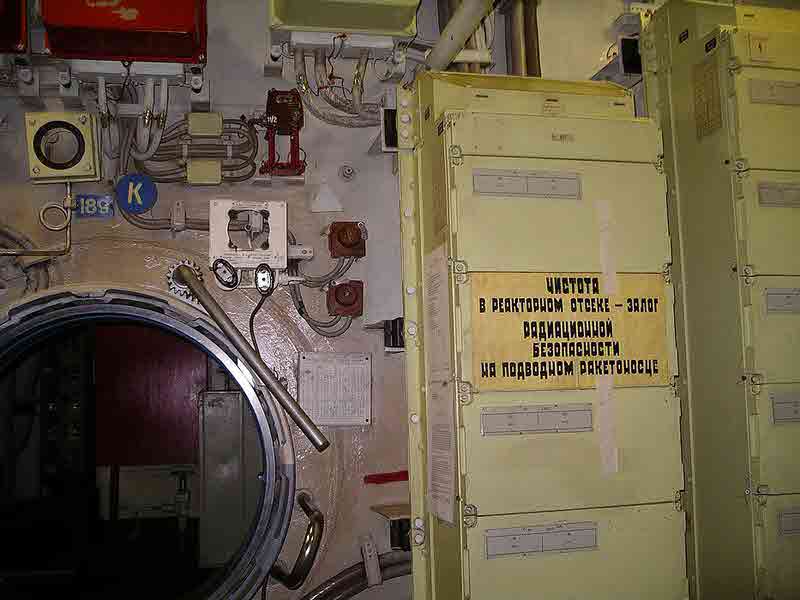
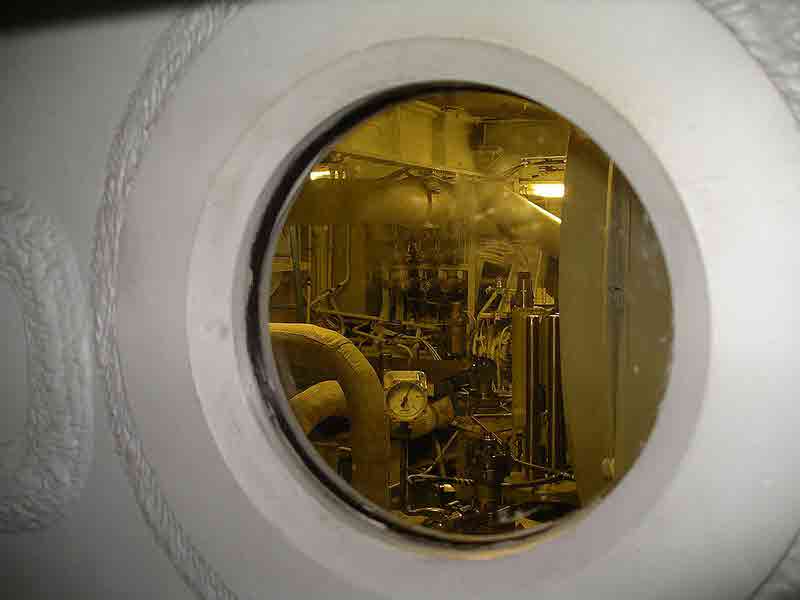
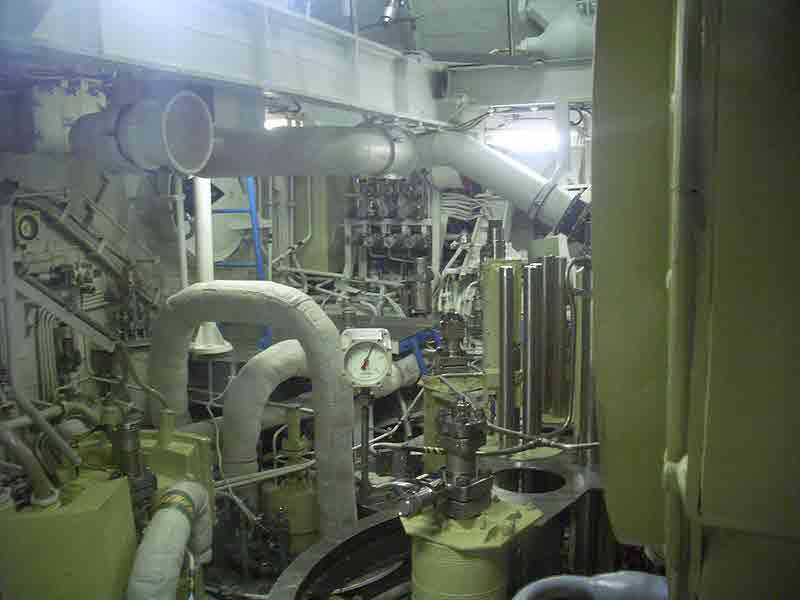
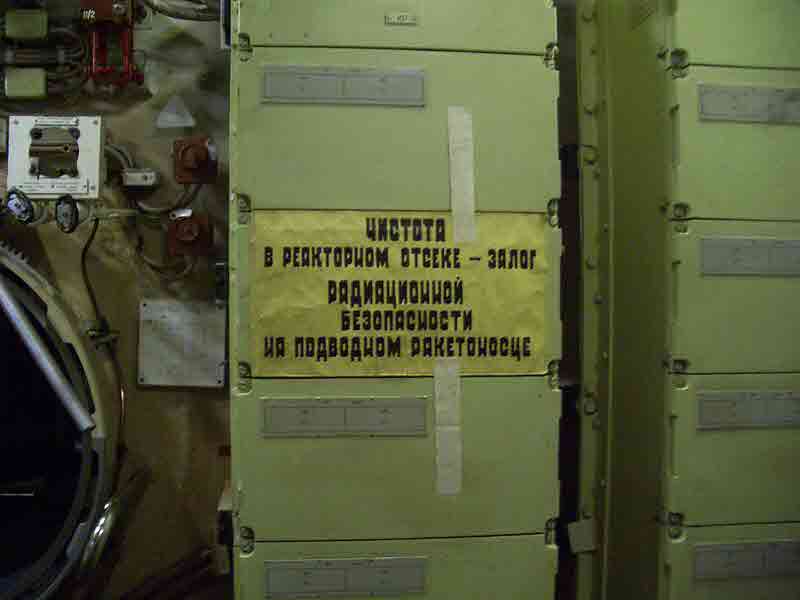
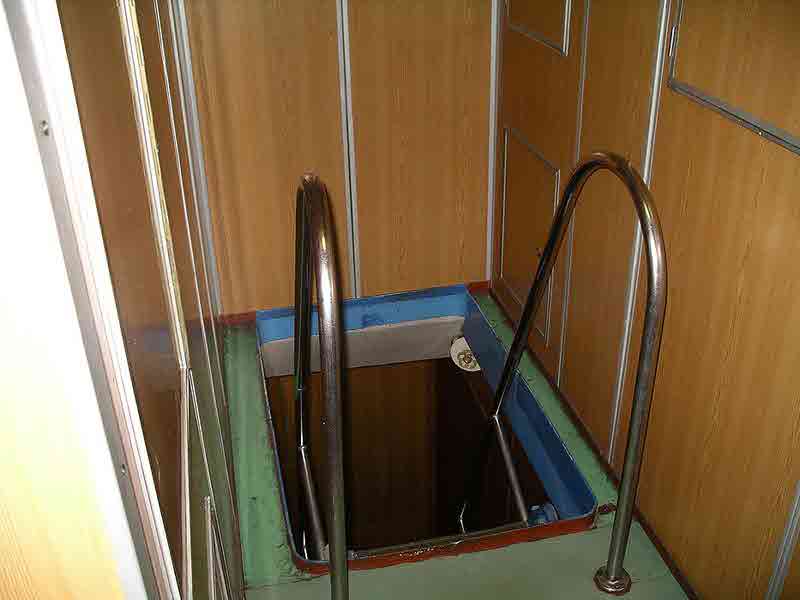
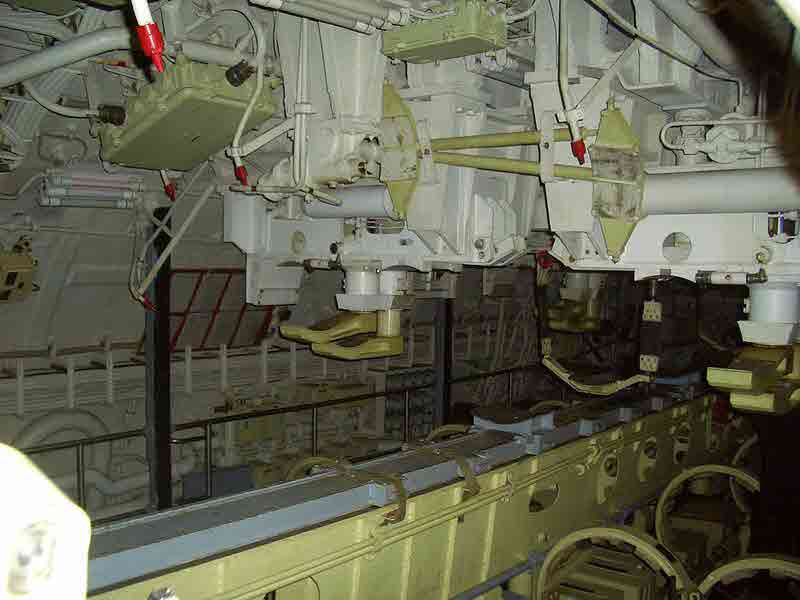
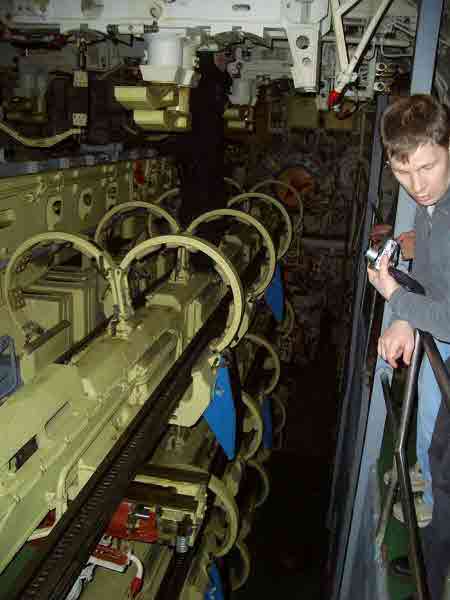
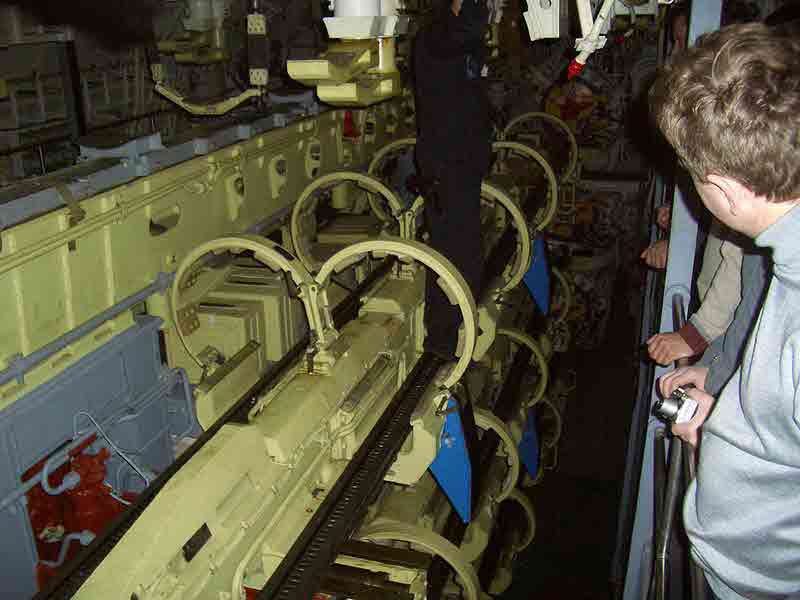
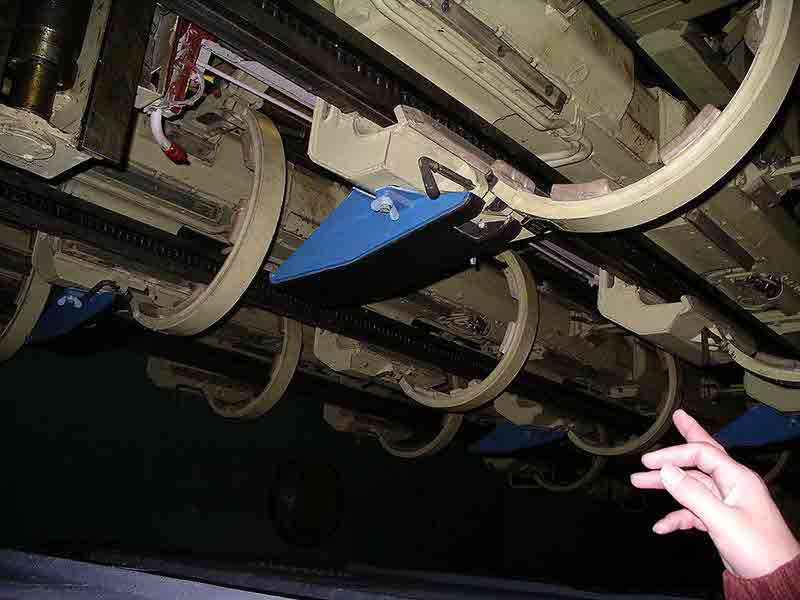
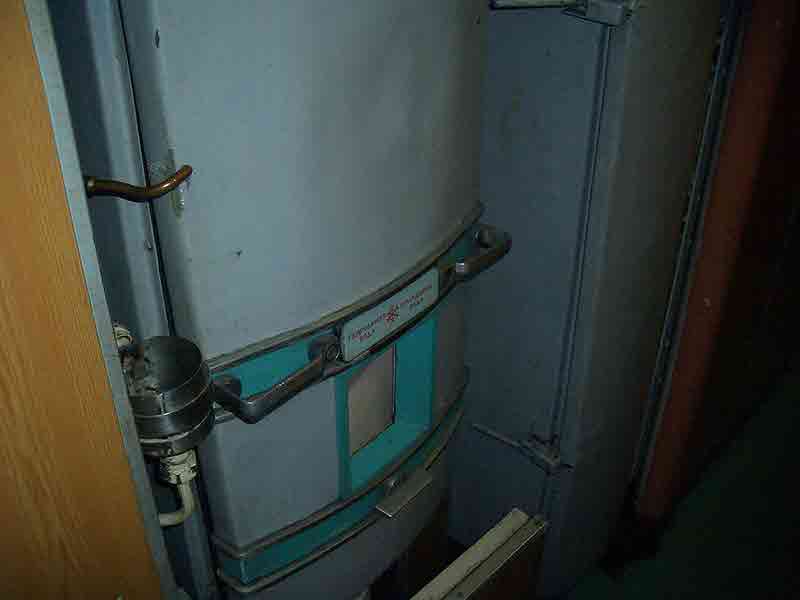
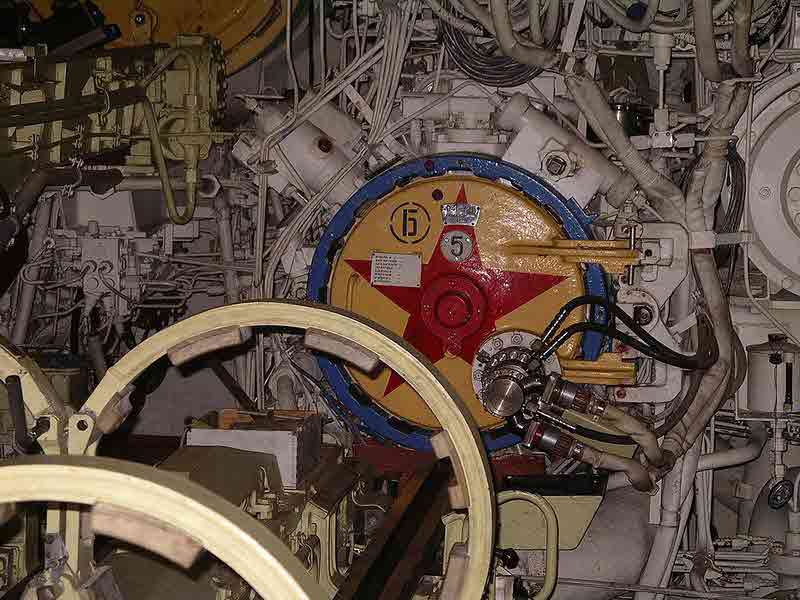
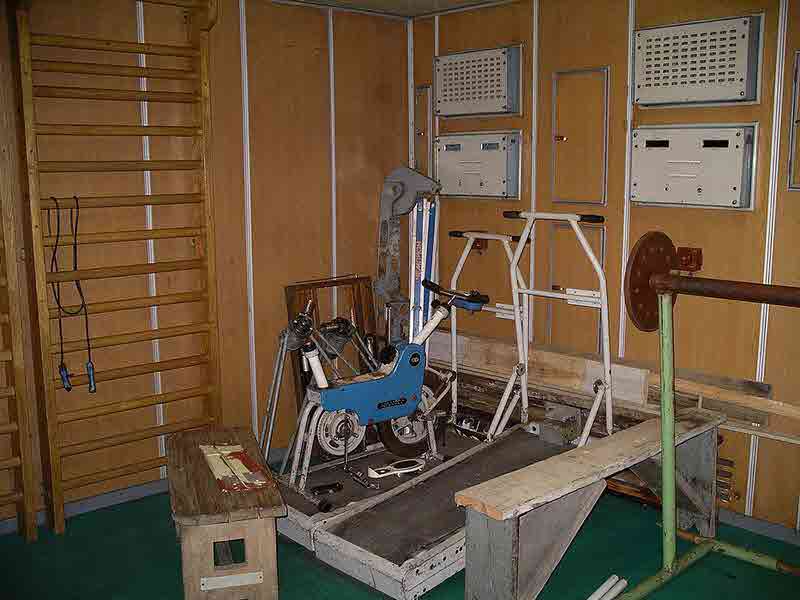
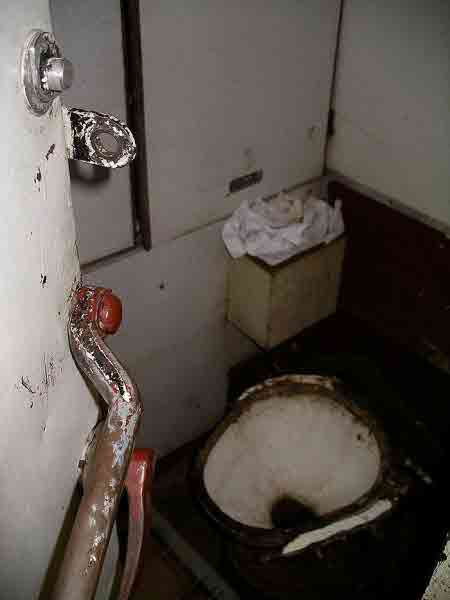
A photographic record of the Kursk’s exterior and interior compartments documented during recovery and salvage. Click any photo to enlarge.















Memorial
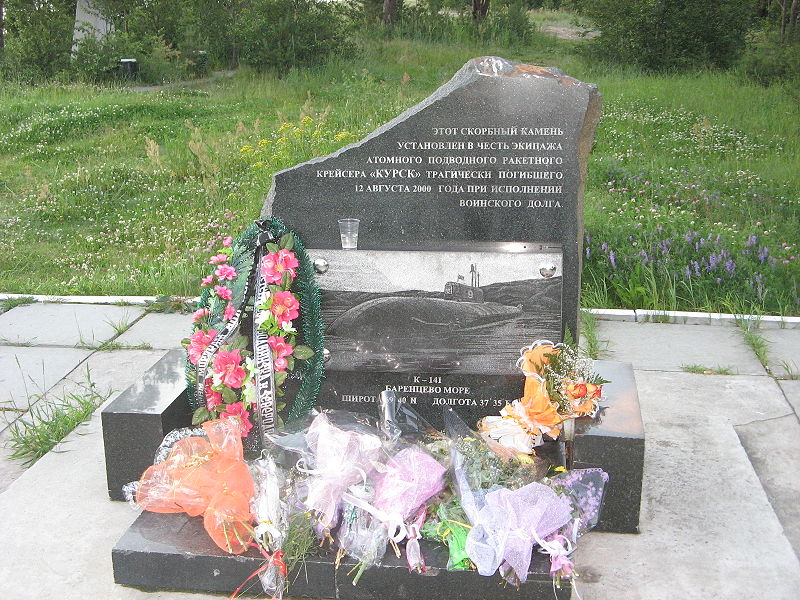
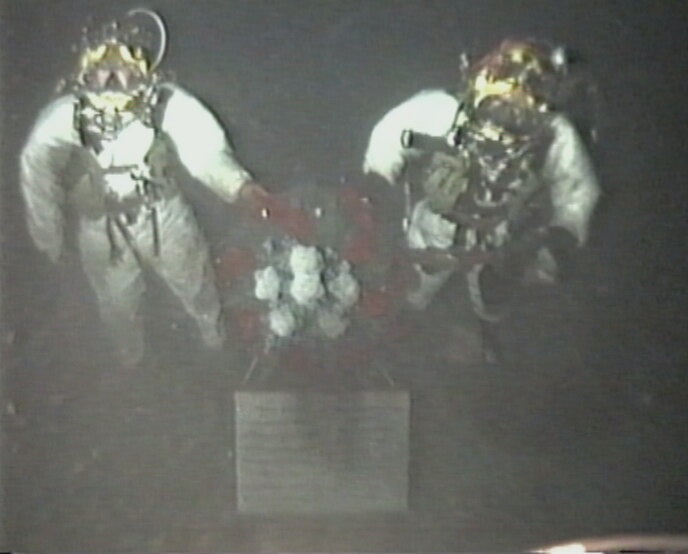
The 118 officers and men lost with Kursk are remembered in Russia. Click any photo to enlarge.