
When a B-29 Superfortress rolled down the runway at Okinawa, it was rolling on concrete and coral that US Navy Seabees had carved out of the island under fire. The Naval Construction Battalions — the Seabees, from the initials CB — were established in January 1942 after the attack on Pearl Harbor revealed how critically the Navy lacked a trained construction force capable of building airfields, harbors, roads, and fuel depots in combat zones. By the time the war ended, more than 325,000 men had served in the Seabees, completing over 400 bases and 111 airstrips across the Pacific theater.
On Okinawa, the Seabees went ashore with the assault waves during Operation Iceberg in April 1945 and immediately began expanding and repairing captured Japanese airfields while combat was still raging across the island. Working around the clock under kamikaze attack and artillery fire, they built two major airfields: one to accommodate the B-29 Superfortresses that would bomb the Japanese home islands, and a second on the northern end of the island for other aircraft. The engineering challenges were immense — Okinawa’s terrain required massive coral grading, drainage work, and the construction of hardstands, revetments, fuel dumps, and bomb storage magazines to support sustained heavy bombing operations. When Japan surrendered in August 1945, those same fields became the forward bases for occupation air operations — and when the Korean War broke out five years later, the runways the Seabees had built in 1945 were still in service, launching B-29s northward toward Korea.
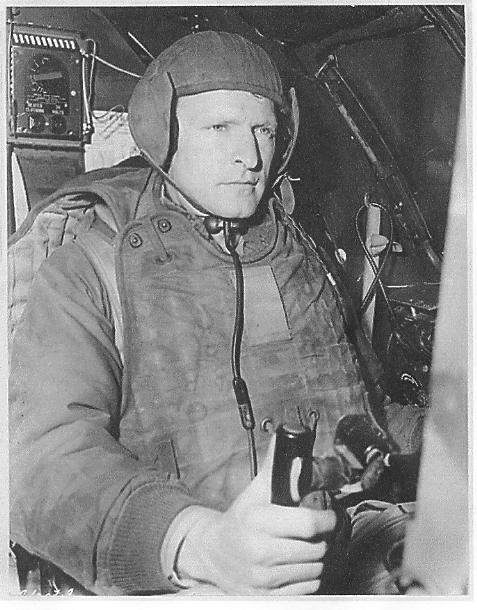
B-29 pilot taking off from Okinawa to bomb Korea. The Seabees built two airfields on Okinawa: one for B-29s, and one on the north side of the island.